In preparation for visiting Syracuse, I read about its importance to the Greeks: its original settlement as a colony in 733 BC; its rule by the tyrant Hieron I who encouraged Aeschylus; its war with Athens which resulted in defeat for the Athenians who were imprisoned or sold into slavery unless they were able to recite the poetry of Euripides; the tyrant Dionysus who wrote plays and encouraged Plato; his son Dionysus II who used to ‘loiter in the fish markets and squabble in the streets with common women’; the tyrant Agothocles who had been a potter; and finally, Hieron II who stupidly switched allegiance from Rome to Carthage which led to its downfall following a long siege and the death of Archimedes. I remember none of this from my studies of Greek history. Nor was I aware of the significance of Cicero’s Verrine Orations, lamenting the way that Sicily had been stripped of its wealth by the Roman governor Verres. ‘Among the most sacred and revered Sicilian sanctuaries, there was not a single one he failed to plunder’ (see Tiffany Jenkins, Keeping their Marbles, p.124).
Category Archives: Uncategorized
Syracuse (1)
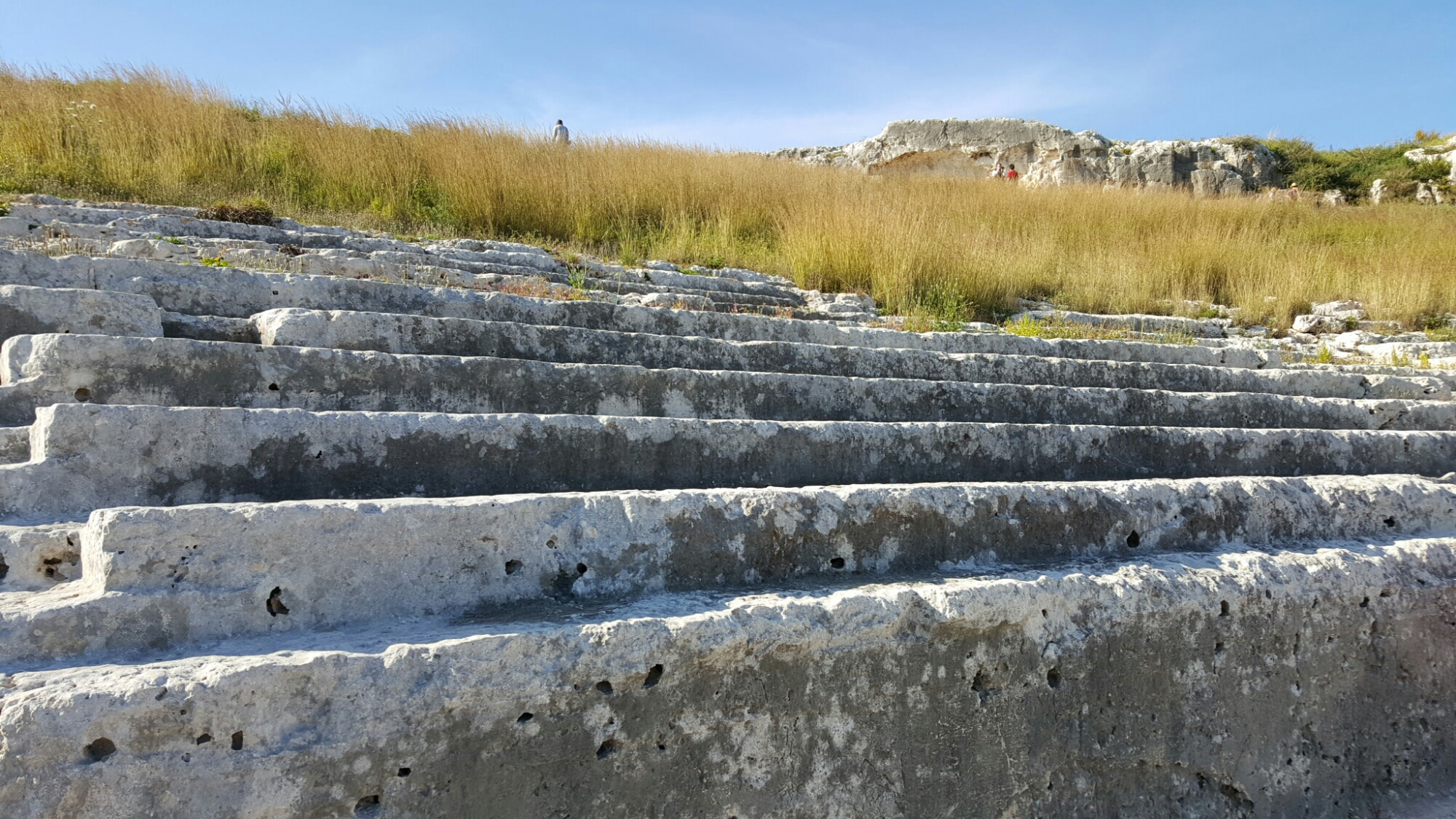
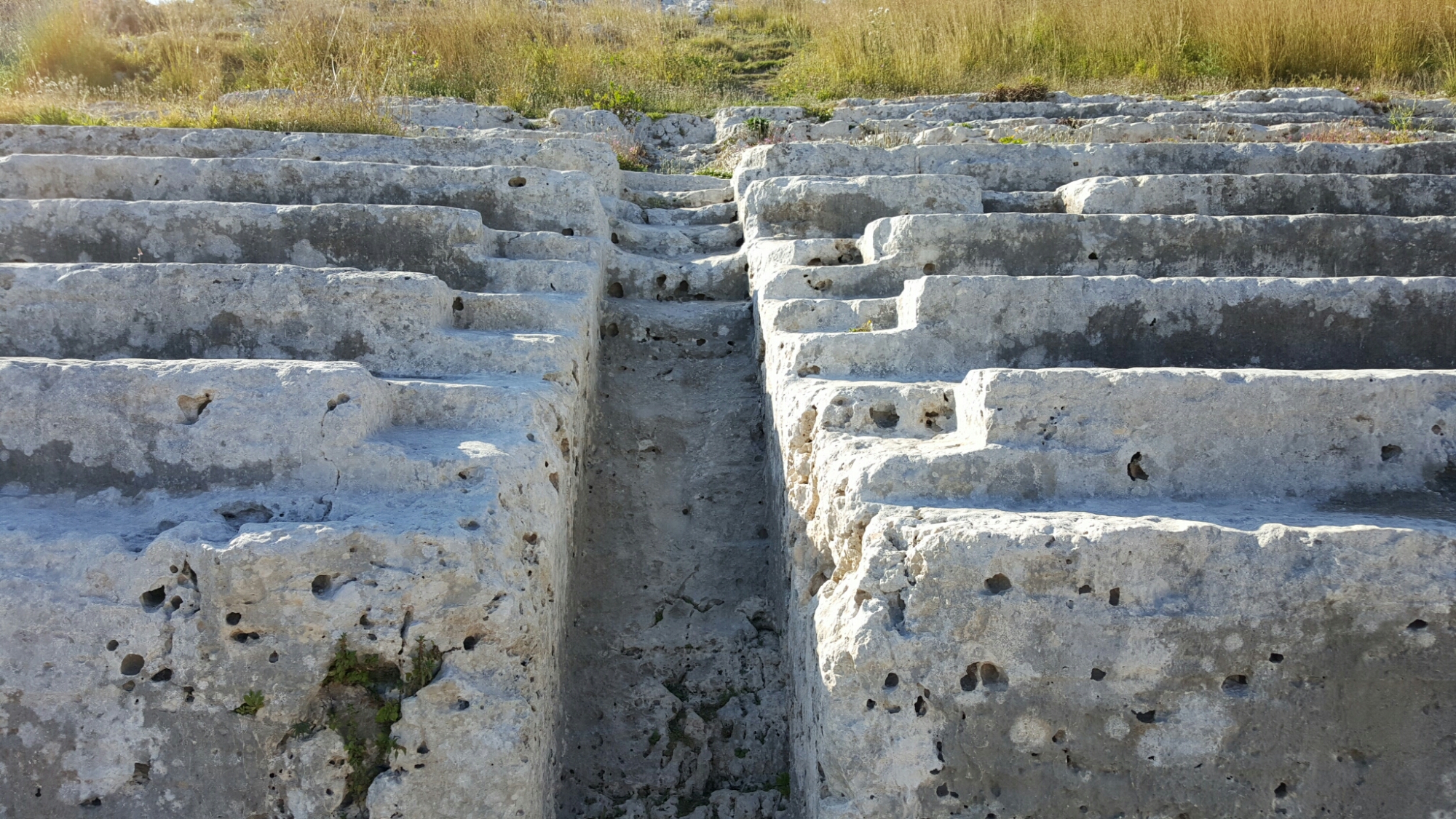
In the afternoon, we went to the ruins of ancient Syracuse, particularly the Greek theatre, cut out of the rock and designed for 15,000 spectators:-
Ortygia
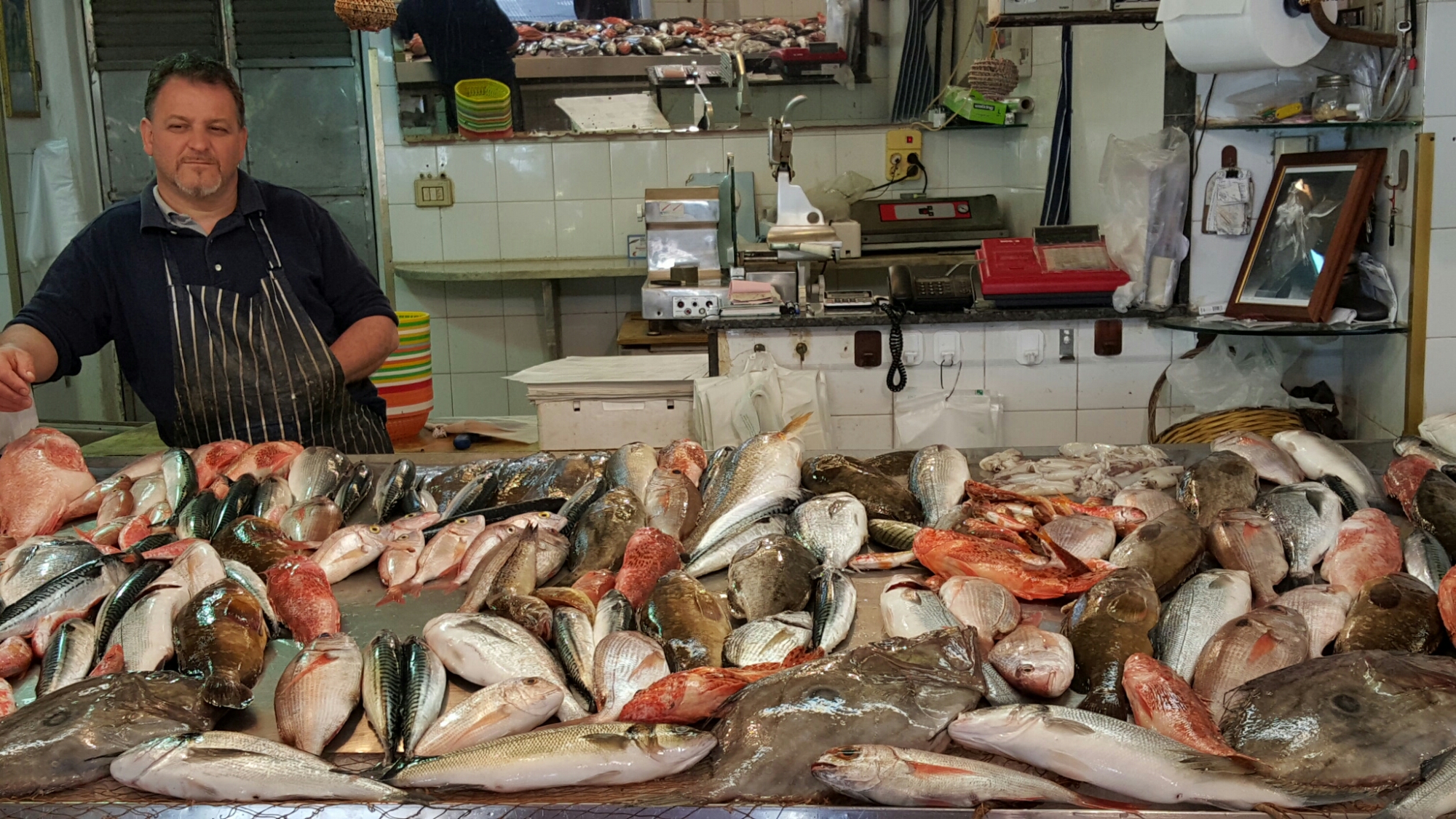
We spent much of the day in Ortygia, the peninsula to the south of Syracuse, beginning with the daily market for fish, spices and fresh vegetables:-
Noto
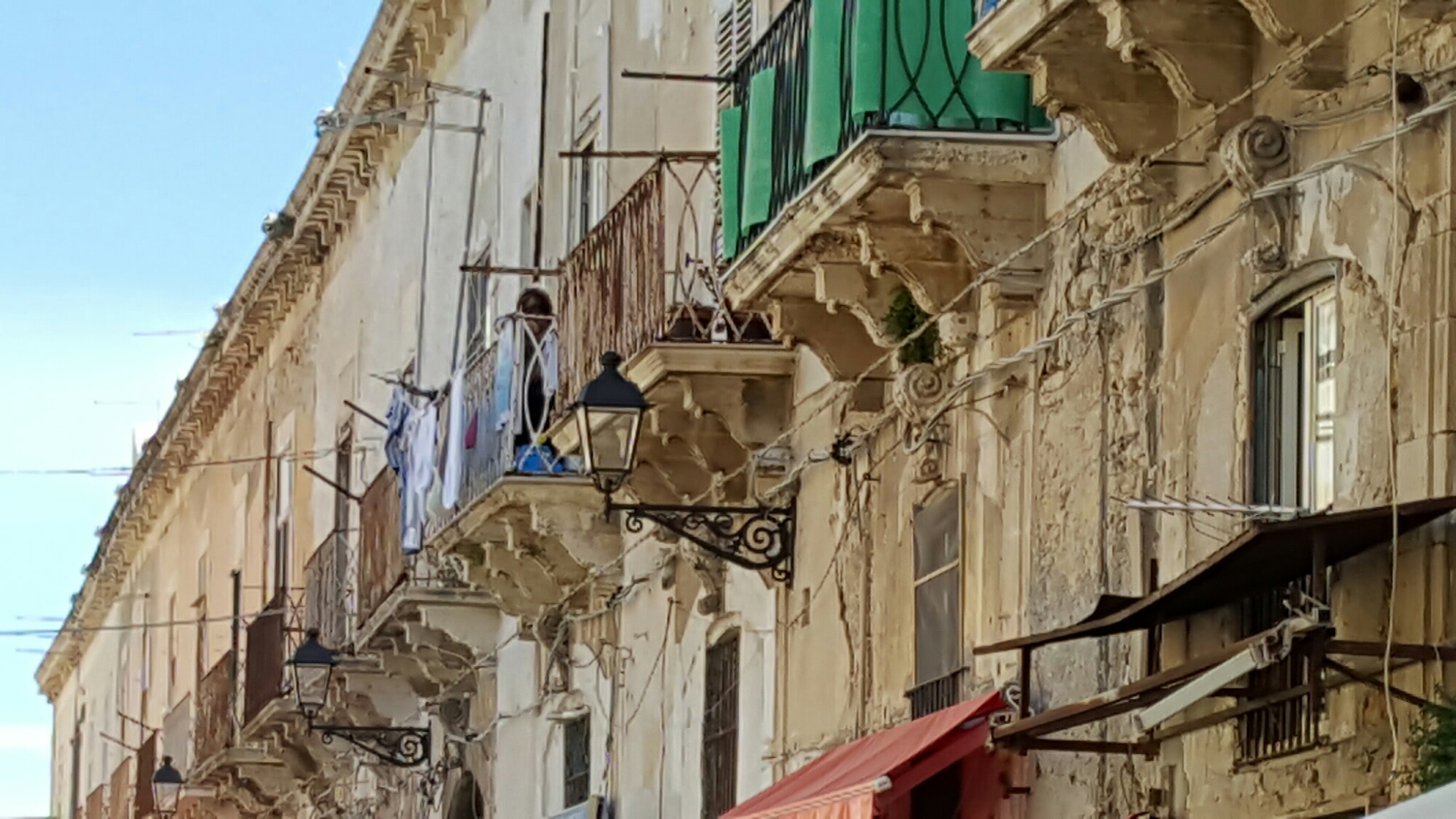
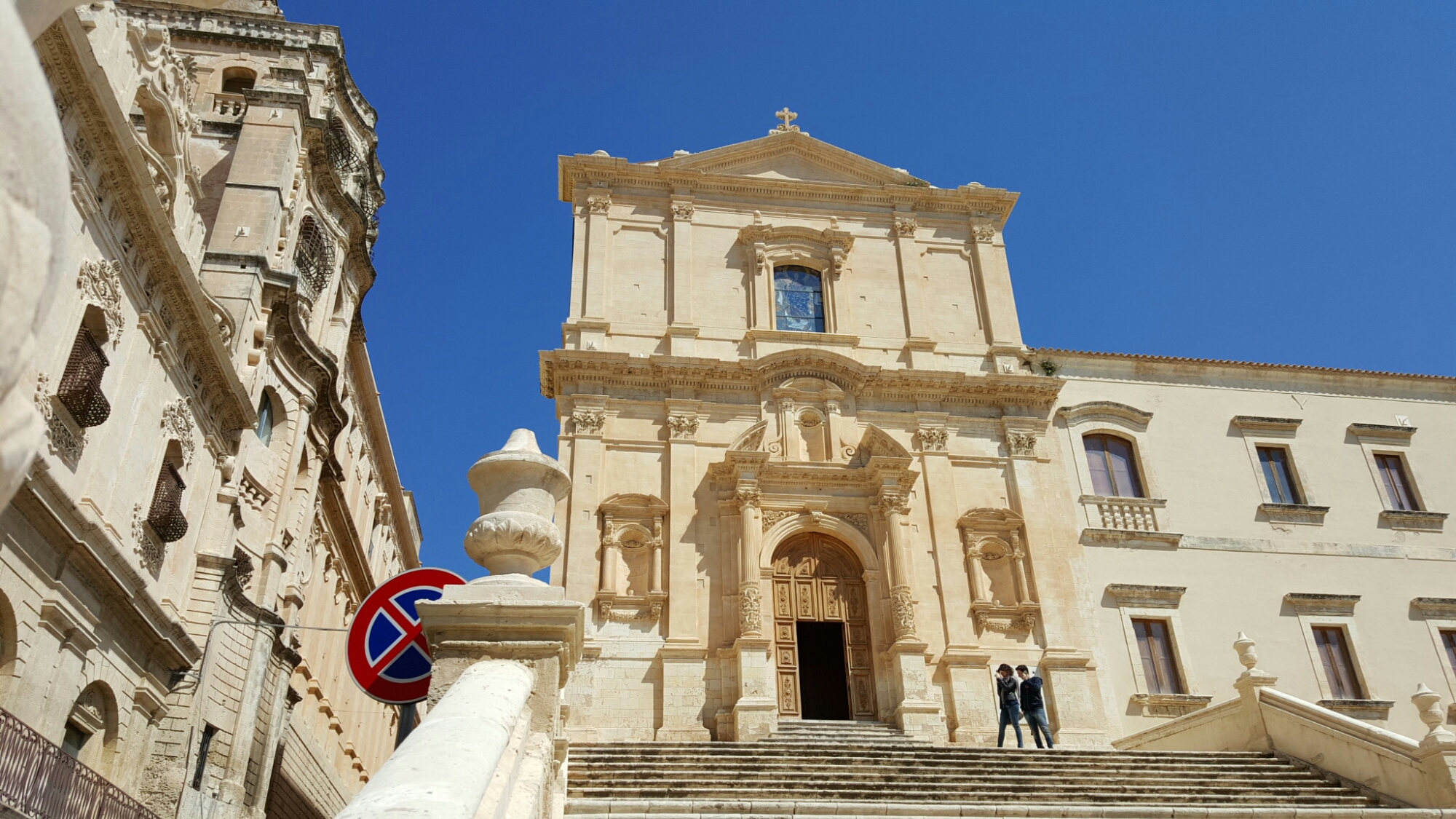
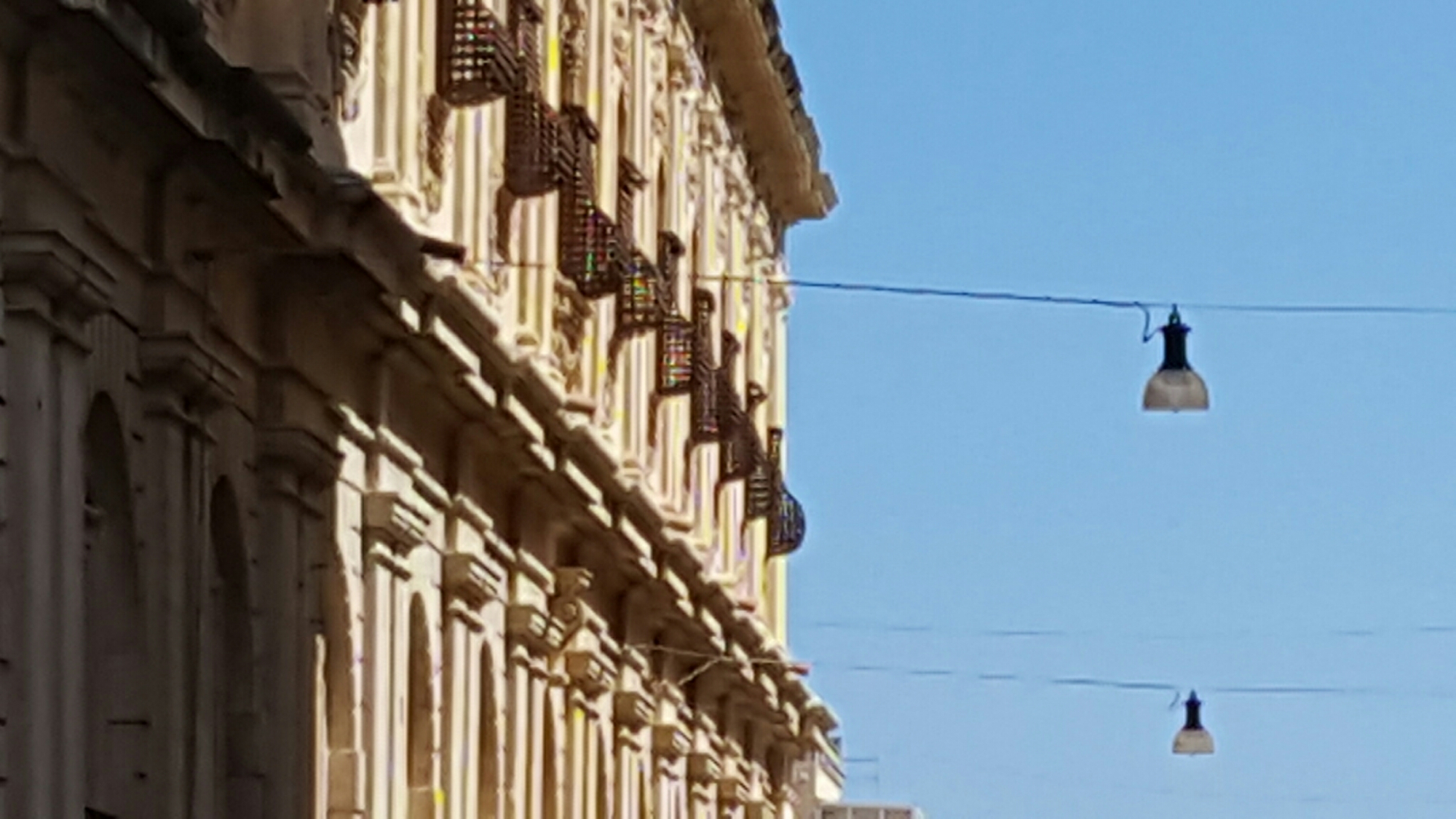
It took a while for the pleasures of Noto to sink in as we sat drinking Aperol in the Piazza XVI Maggio next to the grand neoclassical Teatro Comunale. Like all Italian cities, it yields its pleasures more in the side streets where there are old decayed palazzi with decorative metalwork balconies and away from the Corso where the tourists were congregated on a hot Easter Monday. We started with San Francesco, completed in 1745 by Vincenzo Sinatra:-
Next door is the Museo Civico:-
Hong Kong Museum of History
My last port-of-call before catching the plane back to London was the Hong Kong Museum of History where I went to see the Radiant Ming exhibition organised under the auspices of the so-called Min Chiu Society (‘I was not born with knowledge, but being fond of antiquity, I am quick to seek it’). I went on the recommendation of one of my readers (thank you). No photography or I would have taken photographs of the gold earrings in the shape of a calabash and the bright emerald green of one of the glazes in susancai style (‘three colours not including red’).
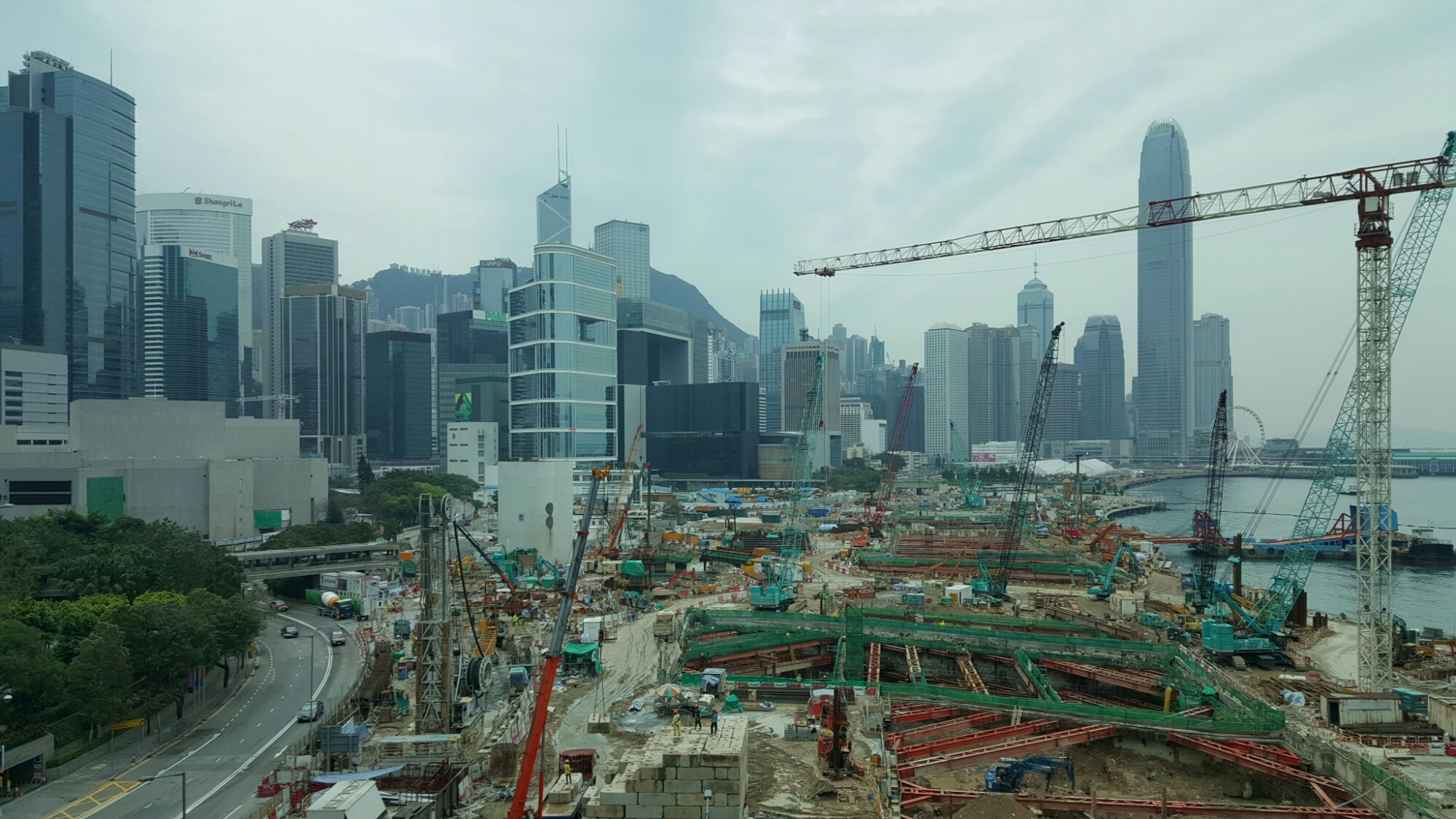
This is my last picture of Hong Kong:-
Hollywood Road
I spent the morning in Hollywood Road. I had made an appointment to visit the V&A’s collection of silver which is on display at the Liang Yi Museum, a new collection of Ming and Qing dynasty furniture made by a collector who spent his Saturday afternoons in the antique shops when mainland China was being looted. The collection includes modern works, including a silver tray designed by David Clarke (2004):-
Uli Sigg
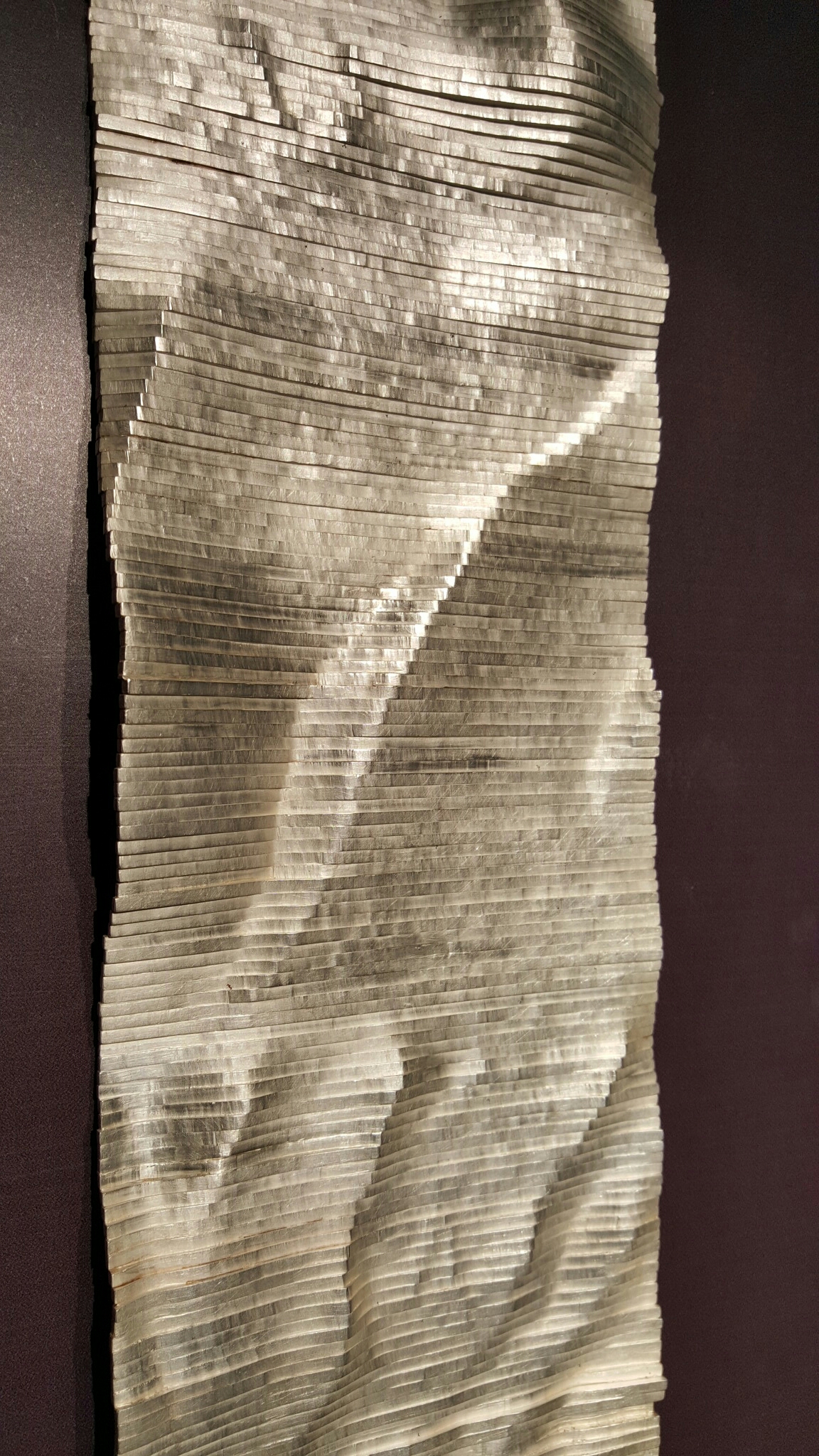
I went in search of the collection of Uli Sigg, the Swiss businessman who started collecting Chinese art as the representative of Schindler in the early 1980s, became Swiss ambassador in the mid-1990s and has sold/donated his collection to M+, the Herzog and de Meuron designed museum which is due to open in West Kowloon in 2018. It’s on display in an exhibition space in Quarry Bay and provides a comprehensive narrative of Chinese art post-Mao. I liked the early paint box from 1970:-

And the picture of Mao admiring Duchamp:-

Antony Gormley RA
I spent the middle part of the day exploring the back streets of Hollywood Road and down into Des Voeux Road in search of works by Antony Gormley which have been installed on a wide range of roof tops, 31 in all, throughout Central Hong Kong. It’s a lesson in long distance visual exploration, searching out for the distant figures perched on the edge of the tallest landmark buildings:-


Conrad Shawcross RA
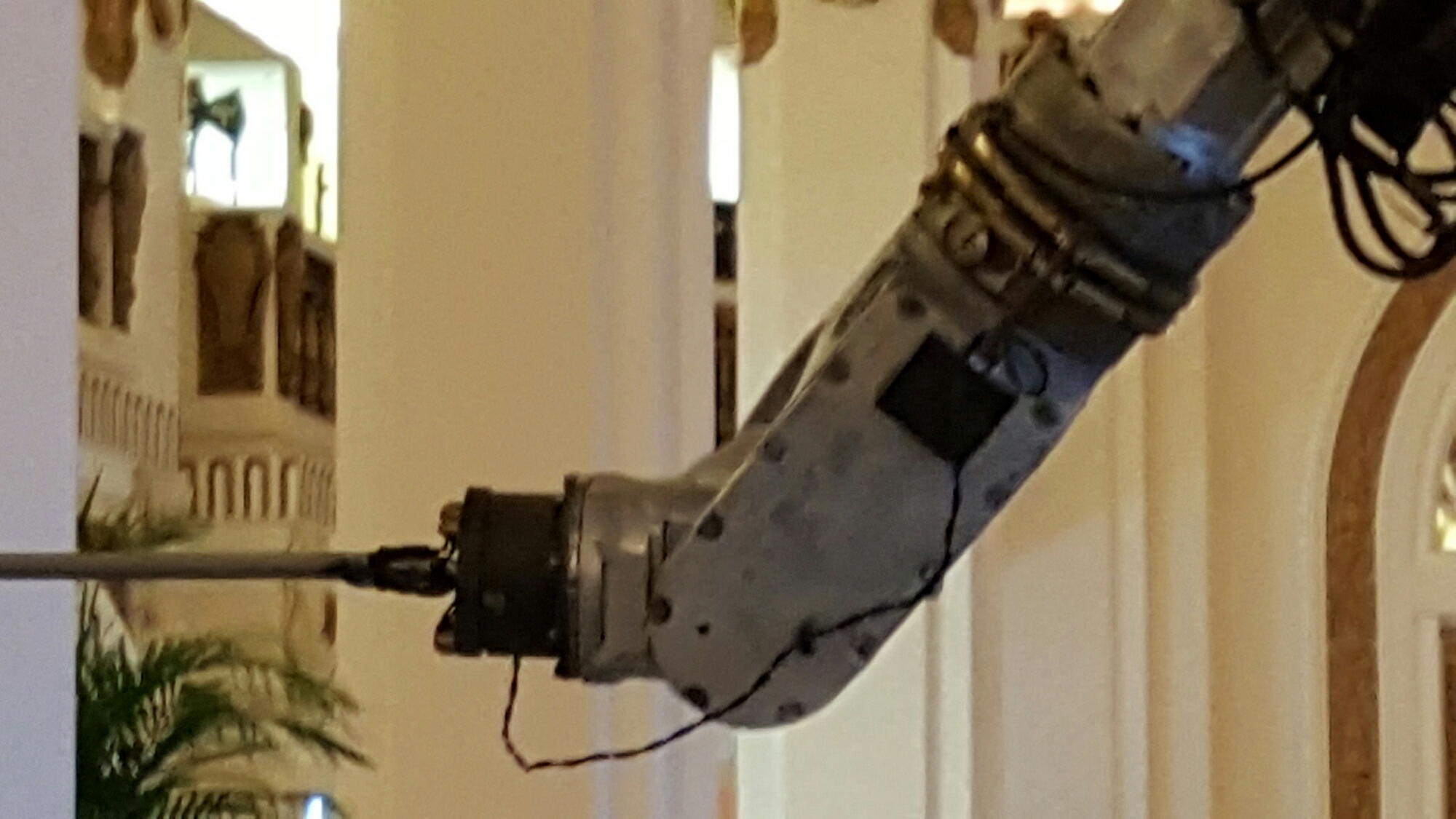
In amongst the colonnades and potted palms in the front lobby of the Peninsula Hotel is a large robot designed by Conrad Shawcross, inspired by the work of Ada Lovelace who wrote an algorithm regarded as the first computer programme. This evening we had a press launch to celebrate the collaboration, followed by a short musical performance in which the robot did a slow form dance to the sound of a short contemporary opera piece composed by Mira Calix and based on words by Alan Turing:-
Hong Kong (2)
The first day of the Art Fair. Hong Kong is covered in a ghostly fog. I came back across with harbour on a Star Ferry:-


You must be logged in to post a comment.