South Hackney

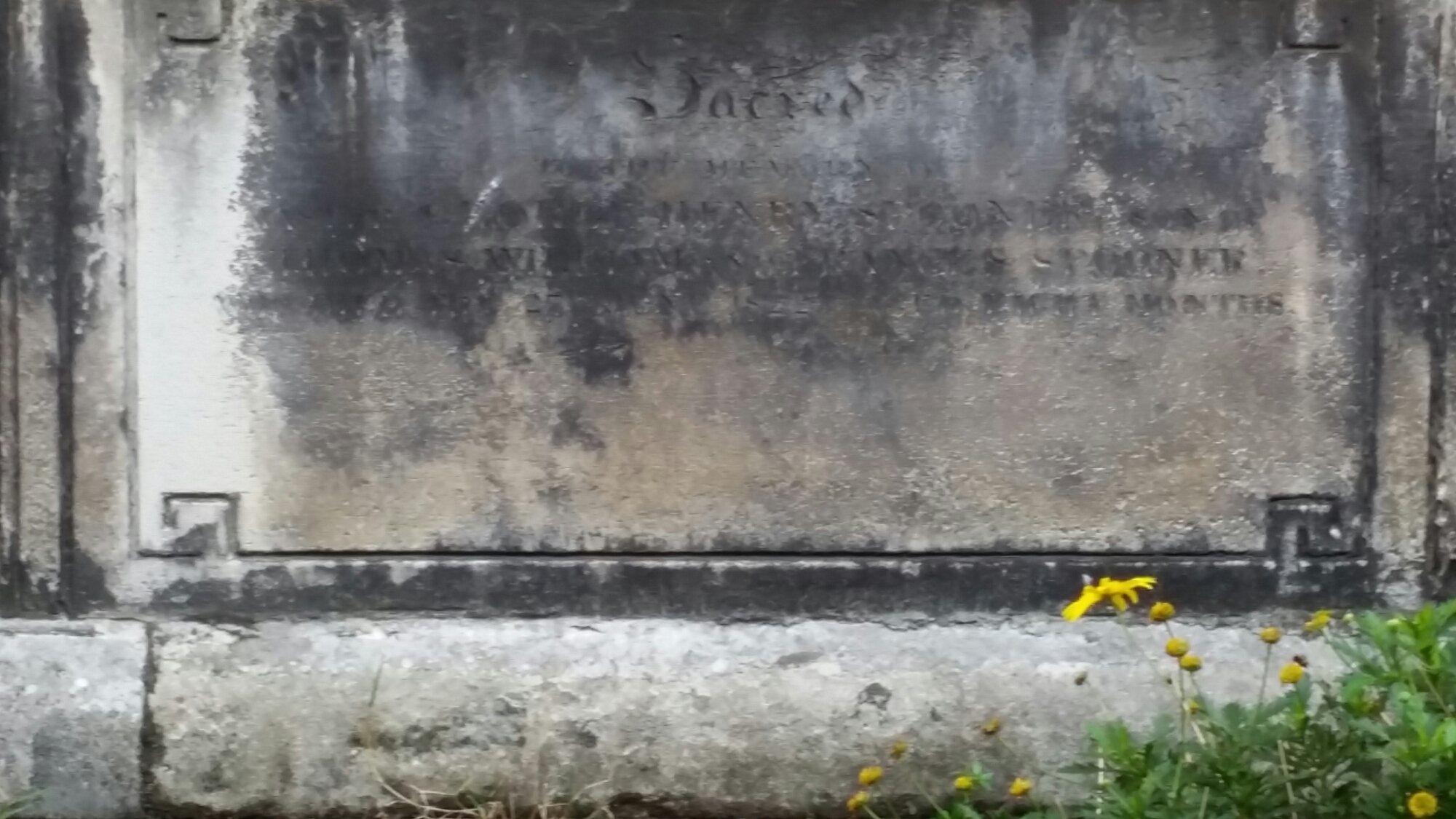
It being a sunny Sunday and the first day of autumn, I went on a wander round the purlieus of Victoria Park, beginning with an investigation of the curious little graveyard on Globe Road, which has a single Soane-like tomb dedicated TO THE MEMORY OF MASTER GEORGE HENRY SPOONER SON OF THOMAS WILLIAM AND FRANCIS SPOONER WHO DIED THE 25TH JUNE 1822 AGED EIGHT MONTHS:
image

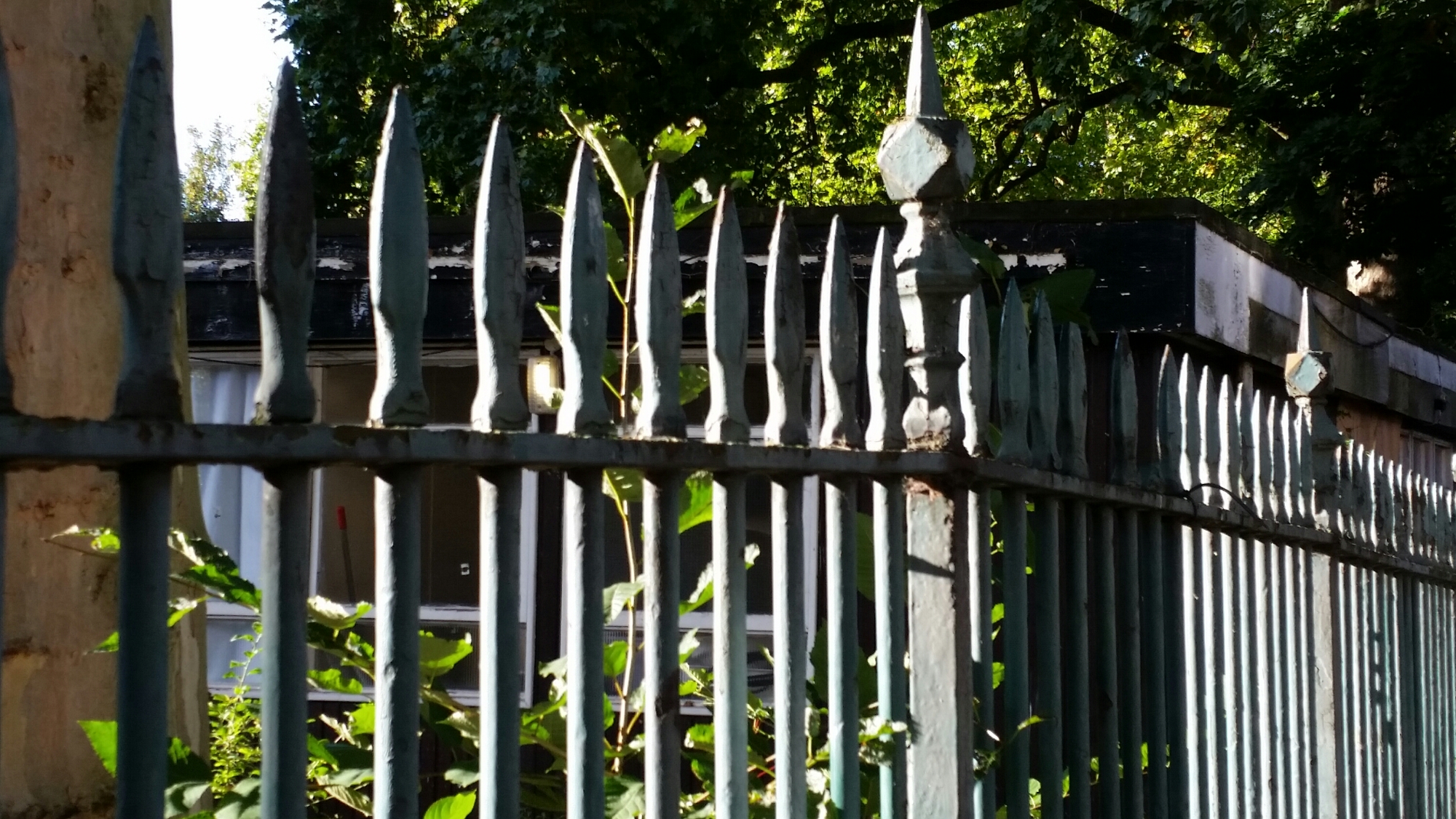
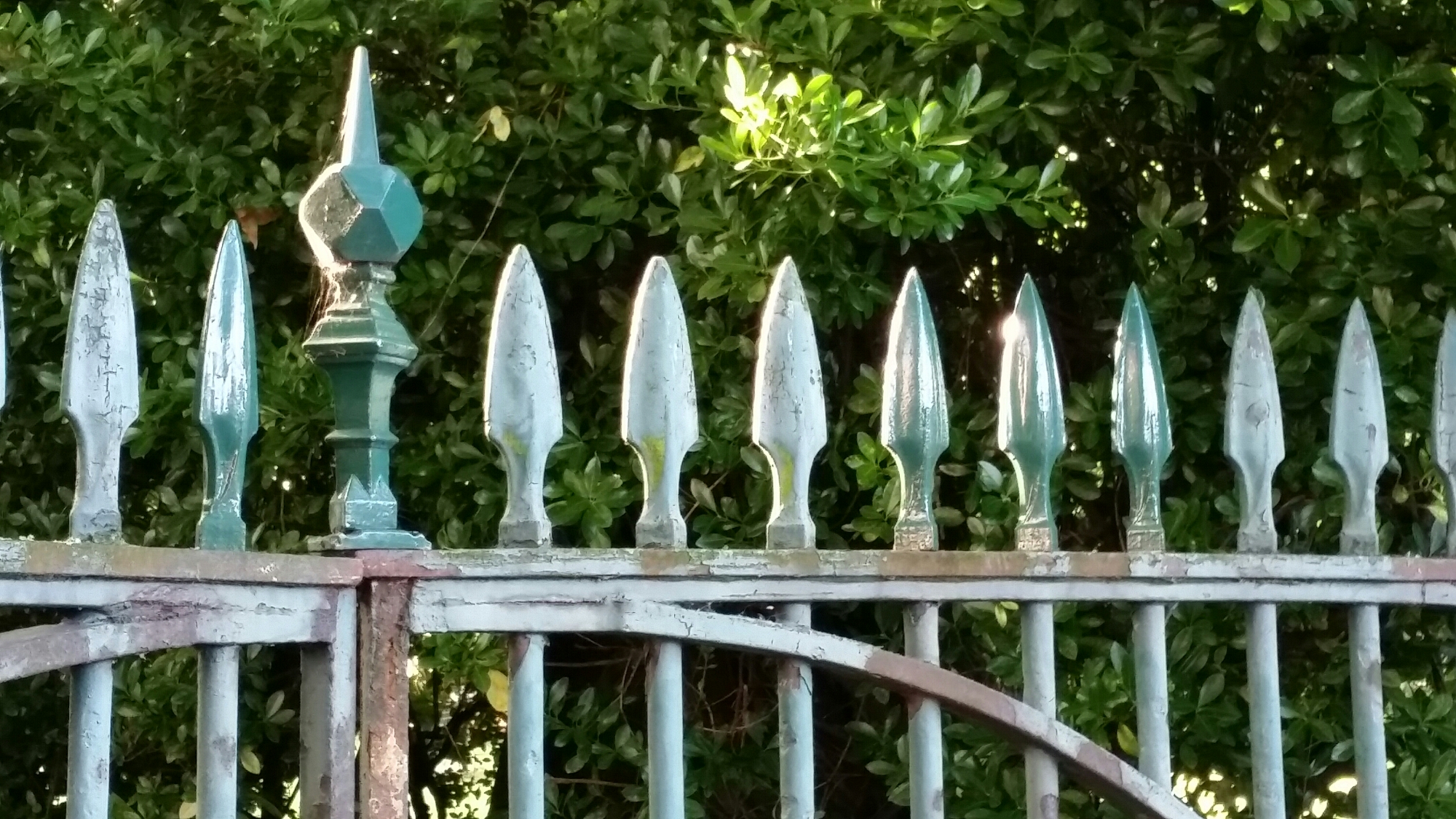
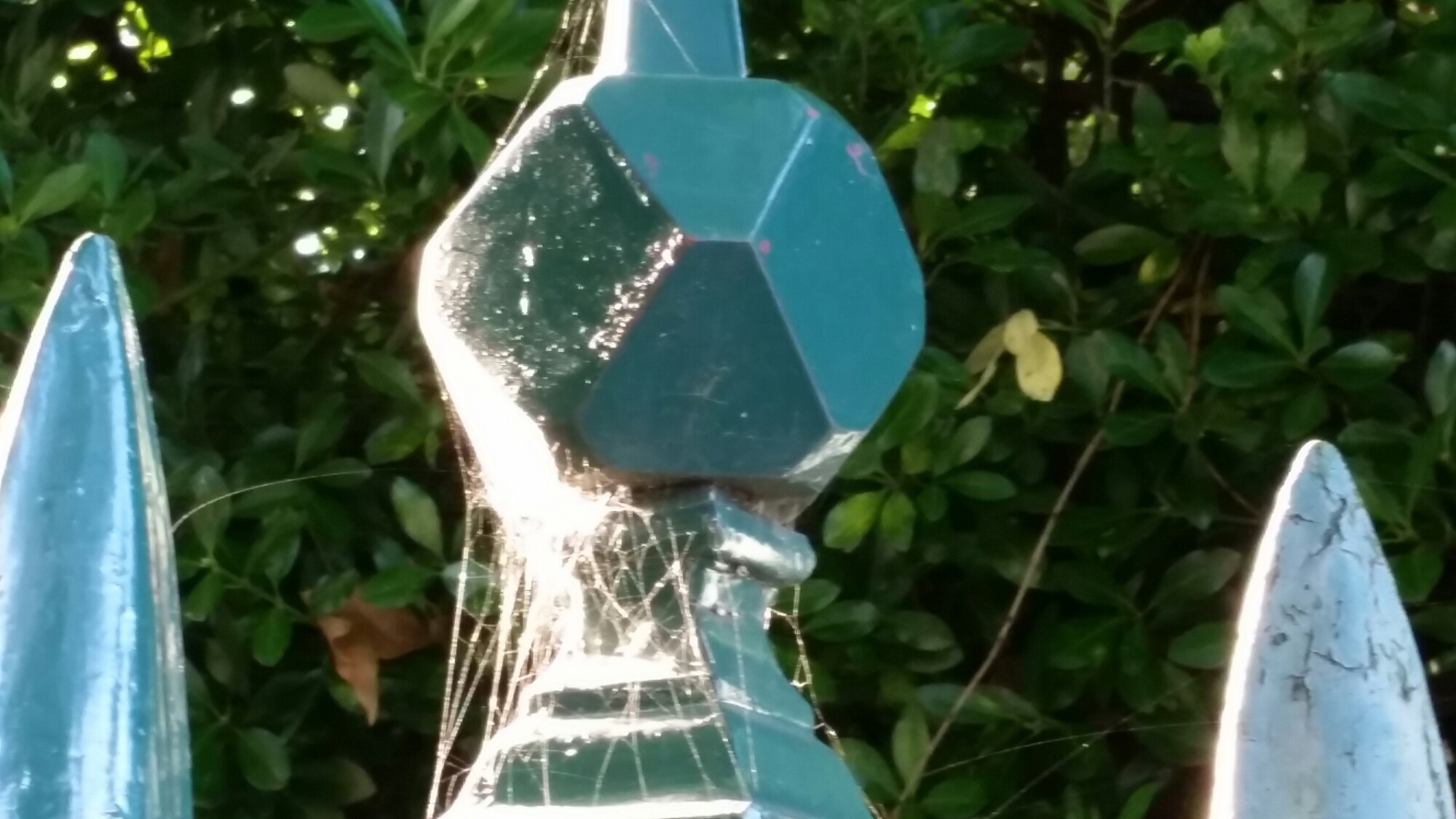
It’s odd how one can live in a neighbourhood and miss areas of it.   I don’t think I’ve walked up Approach Road since the 1970s and certainly hadn’t seen the ironwork railings of the London Chest Hospital:
image

image

image

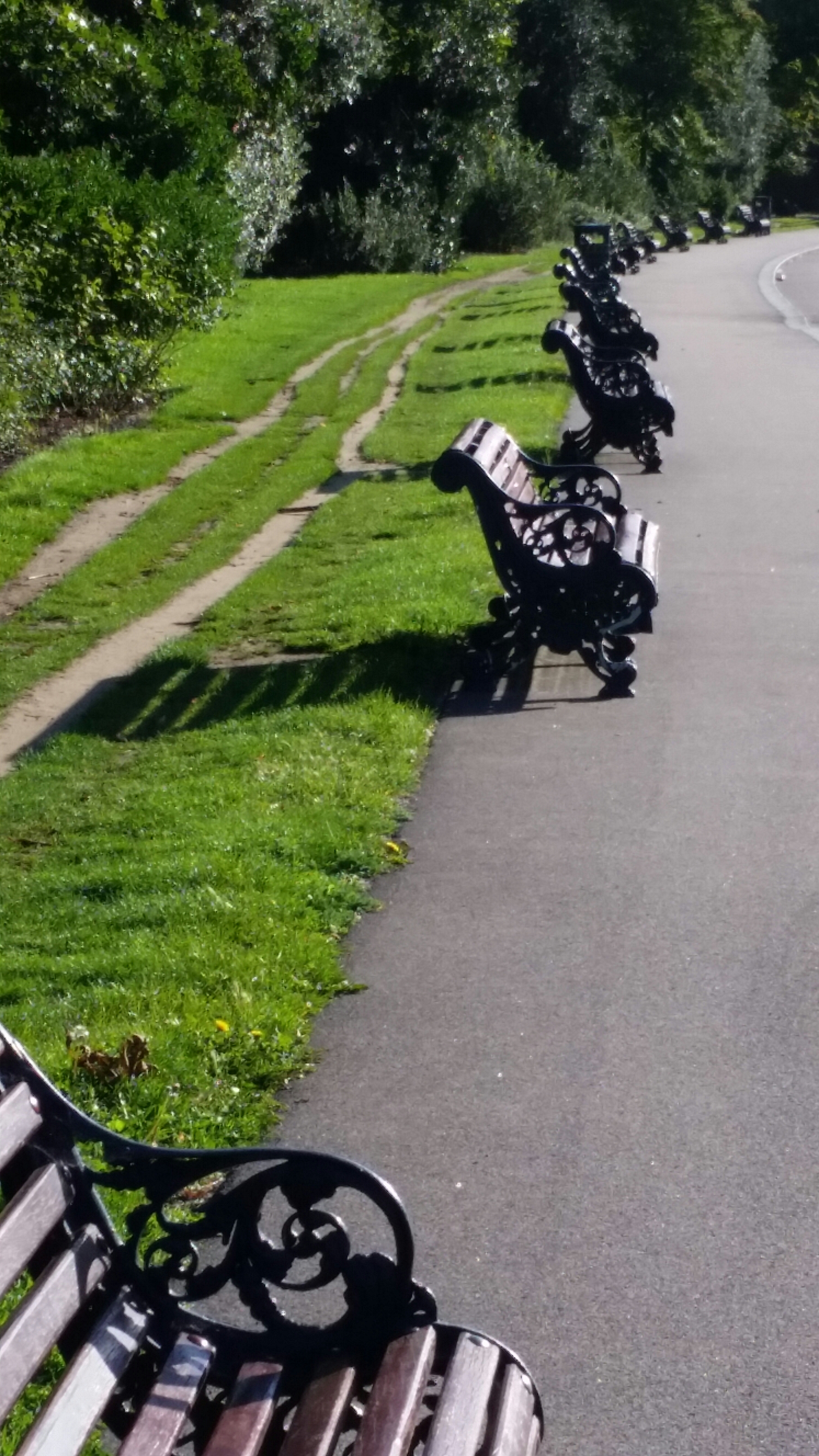
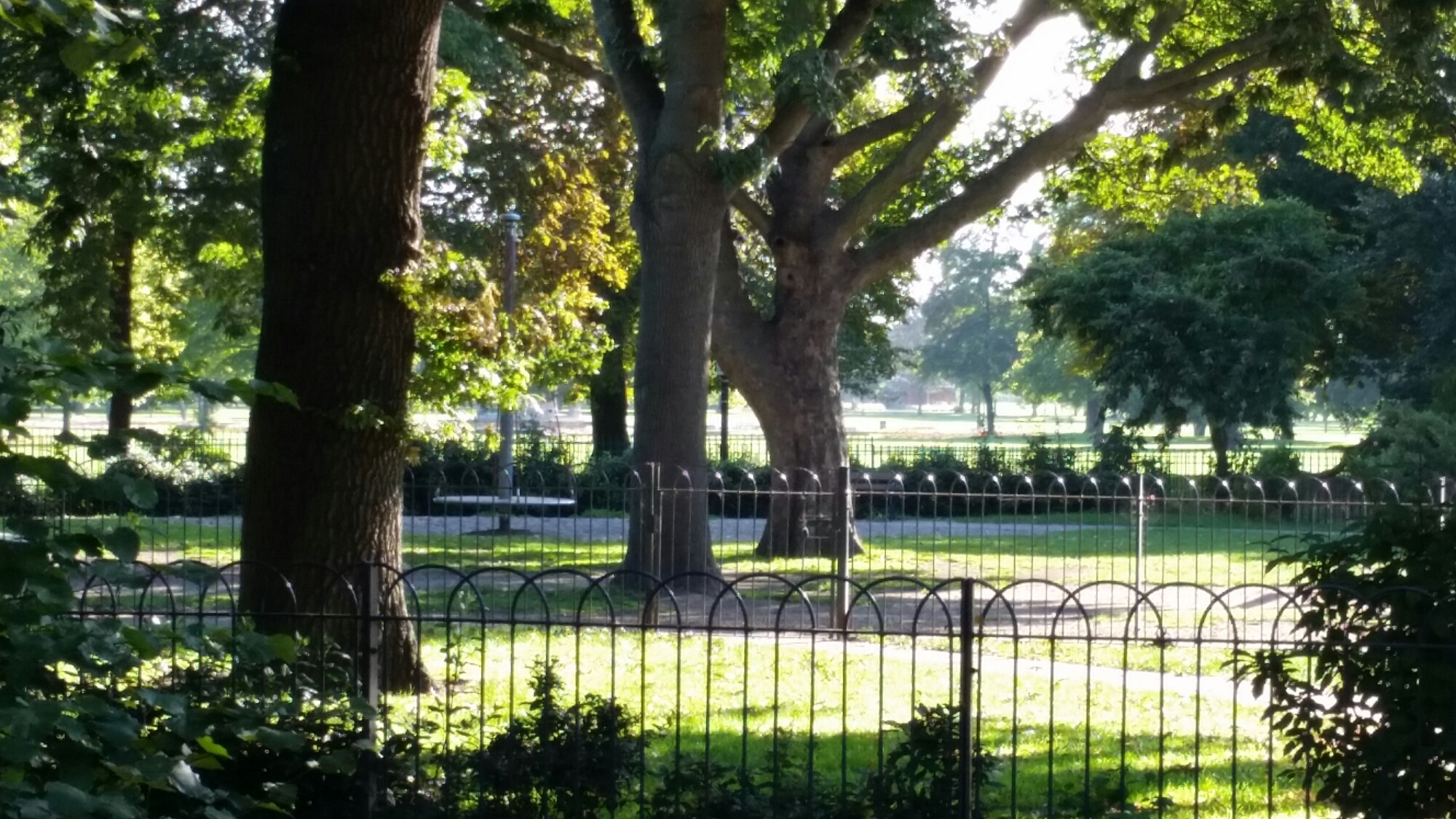
Victoria Park itself is a tiny bit too Victorian municipal for my taste, but looked fine empty in the sun:
image

image

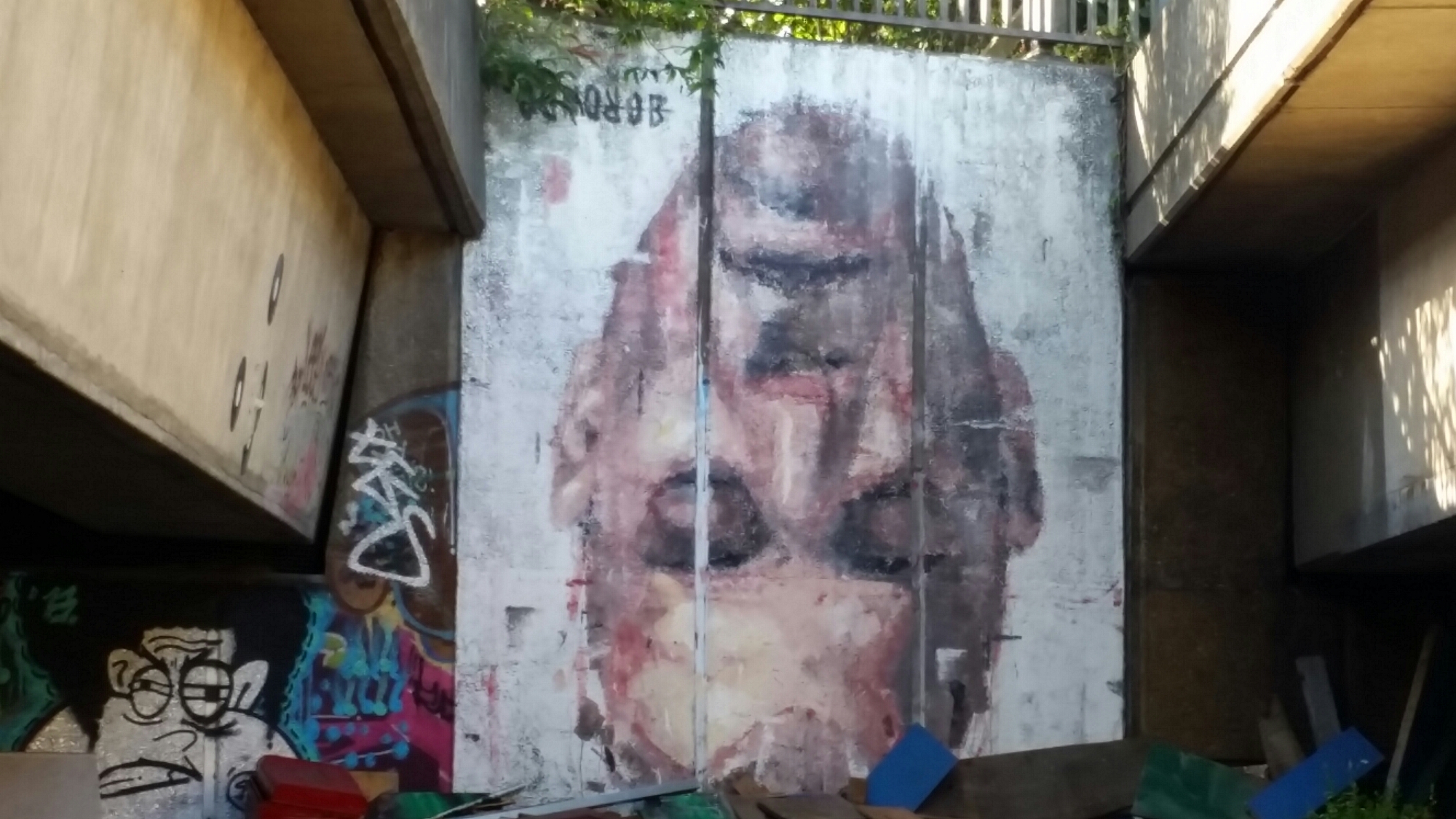
I was quite taken by this example of graffiti art under the motorway flyover:
image

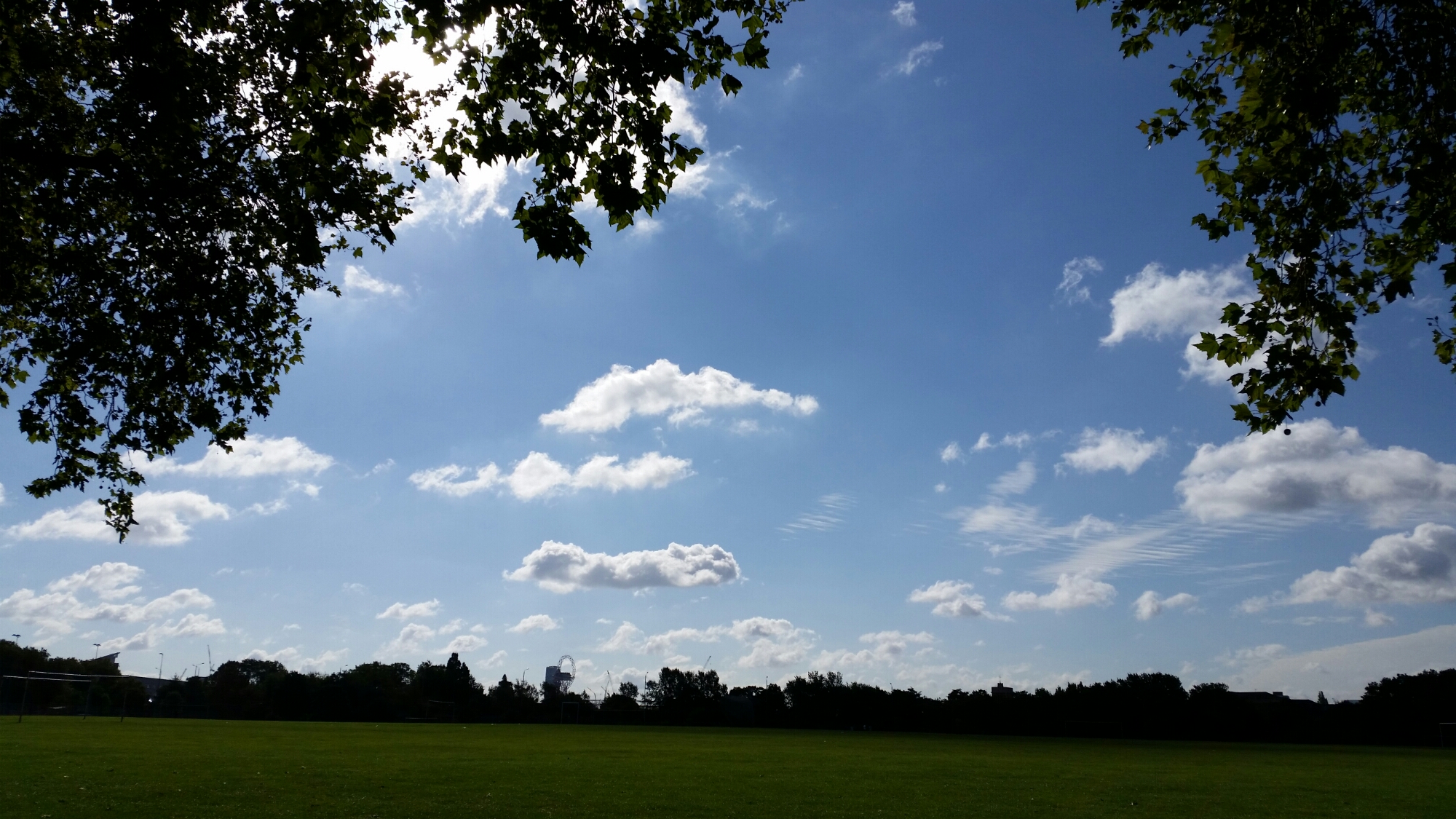
I ended up admiring the skyline of Stratford across the playing fields of Mabley Green:
image

Standard

The Literary Museum

I spent another happy afternoon pottering about Christopher Ondaatje’s amazing collection of Bloomsburiana and other associated literary material which he houses in remotest Devon.   He has made the collection over the last decade, buying books, including many first editions, and then buying portraits which go with the books.   It’s an odd and very satisfying combination of a visual and intellectual feast, including many wonderfully atmospheric photographs, particularly after a good lunch.

Standard

Paddington Station

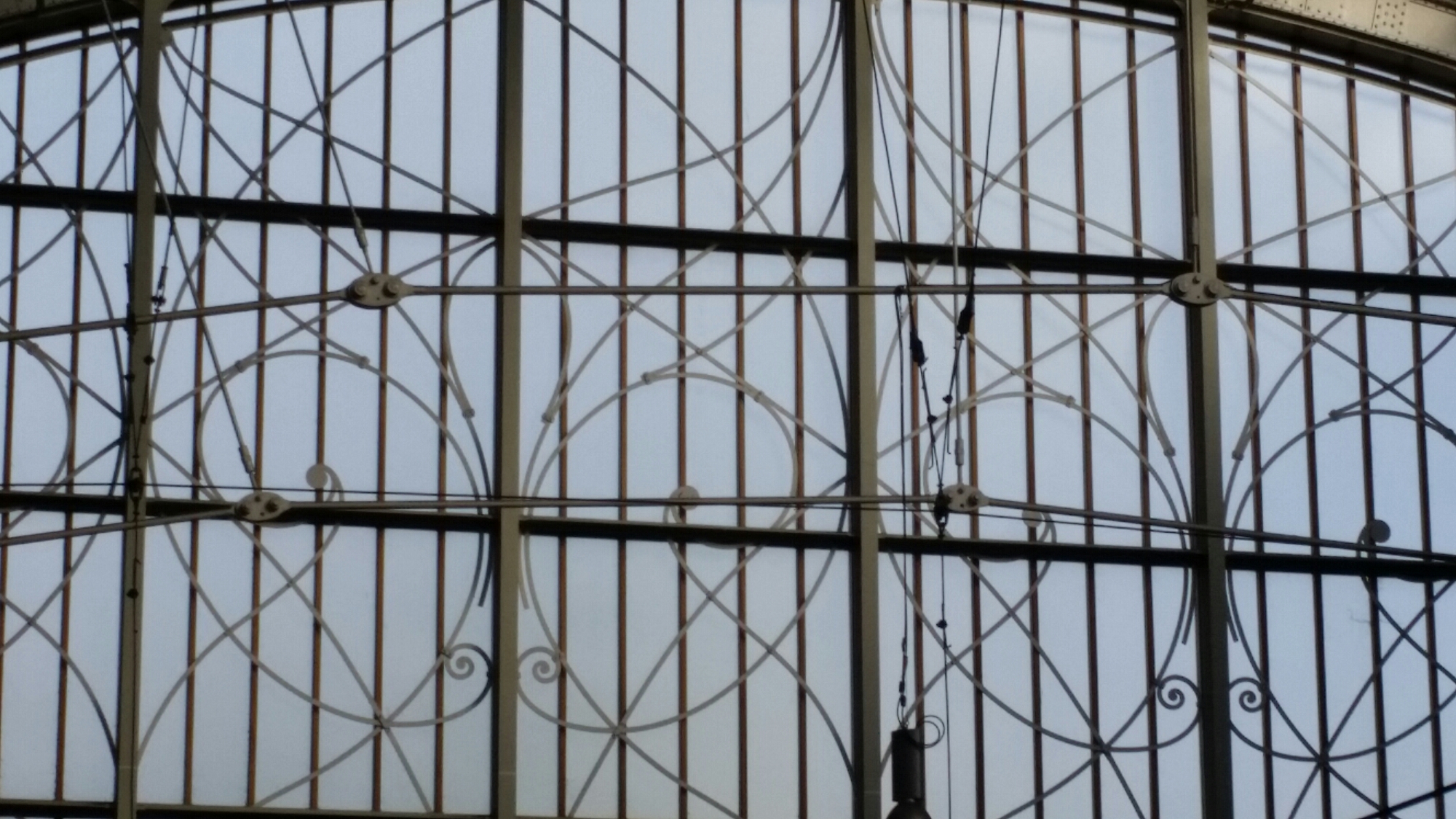
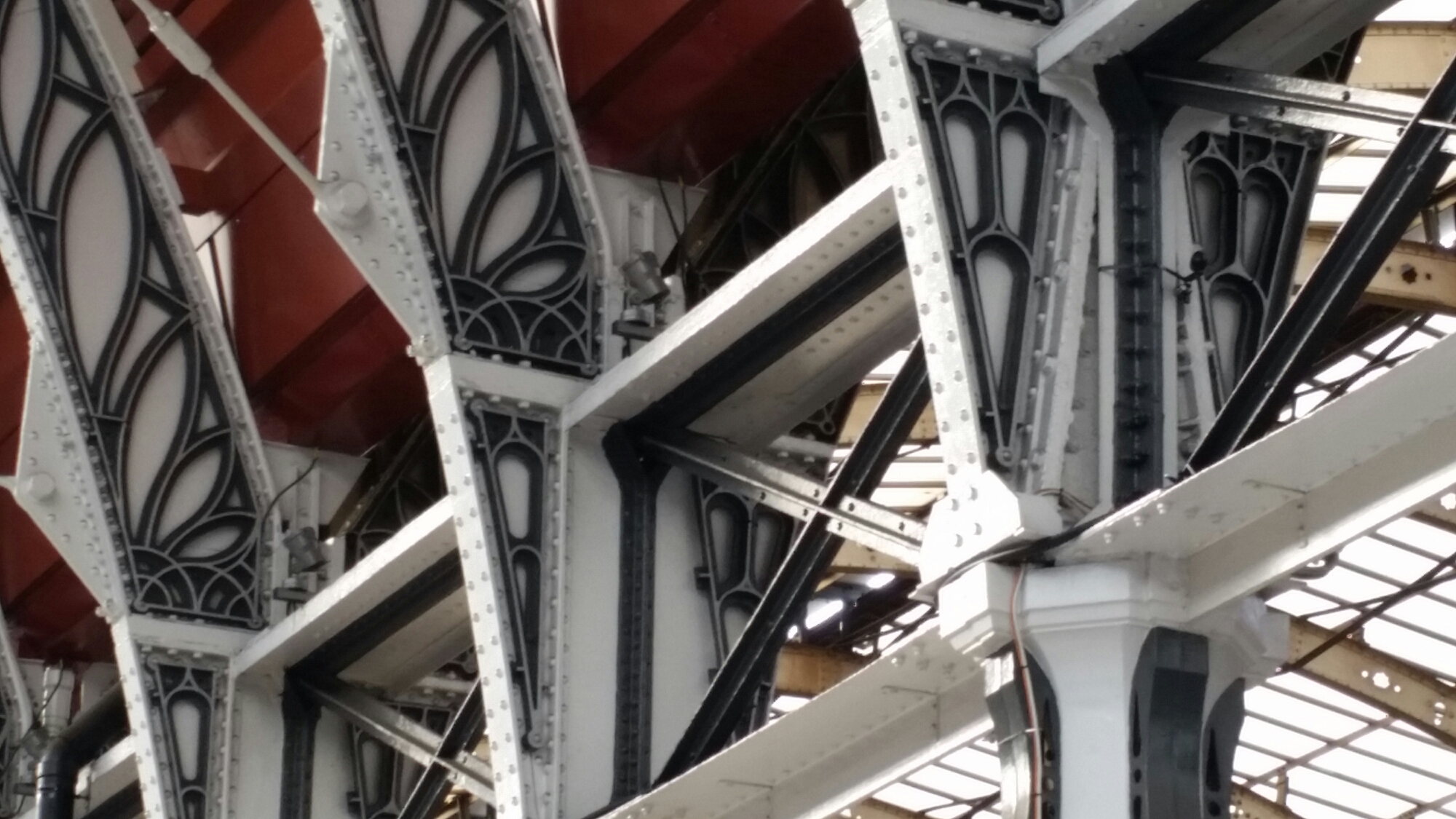
Arriving, as I always do, far too early at Paddington Station for a trip to the west country gave me time to admire, as I seldom do except subliminally, the amazing beauty of Isambard Kingdom Brunel’s curving roof, which is more visible after recent renovations (by the PPRA no less).   It’s a most elegant cat’s cradle, originally painted in colours chosen by Owen Jones, using the technology of metal to maximum effect.   The curvacaceous ornamental ironwork at the end of the platform is by Gustave Eiffel:

image

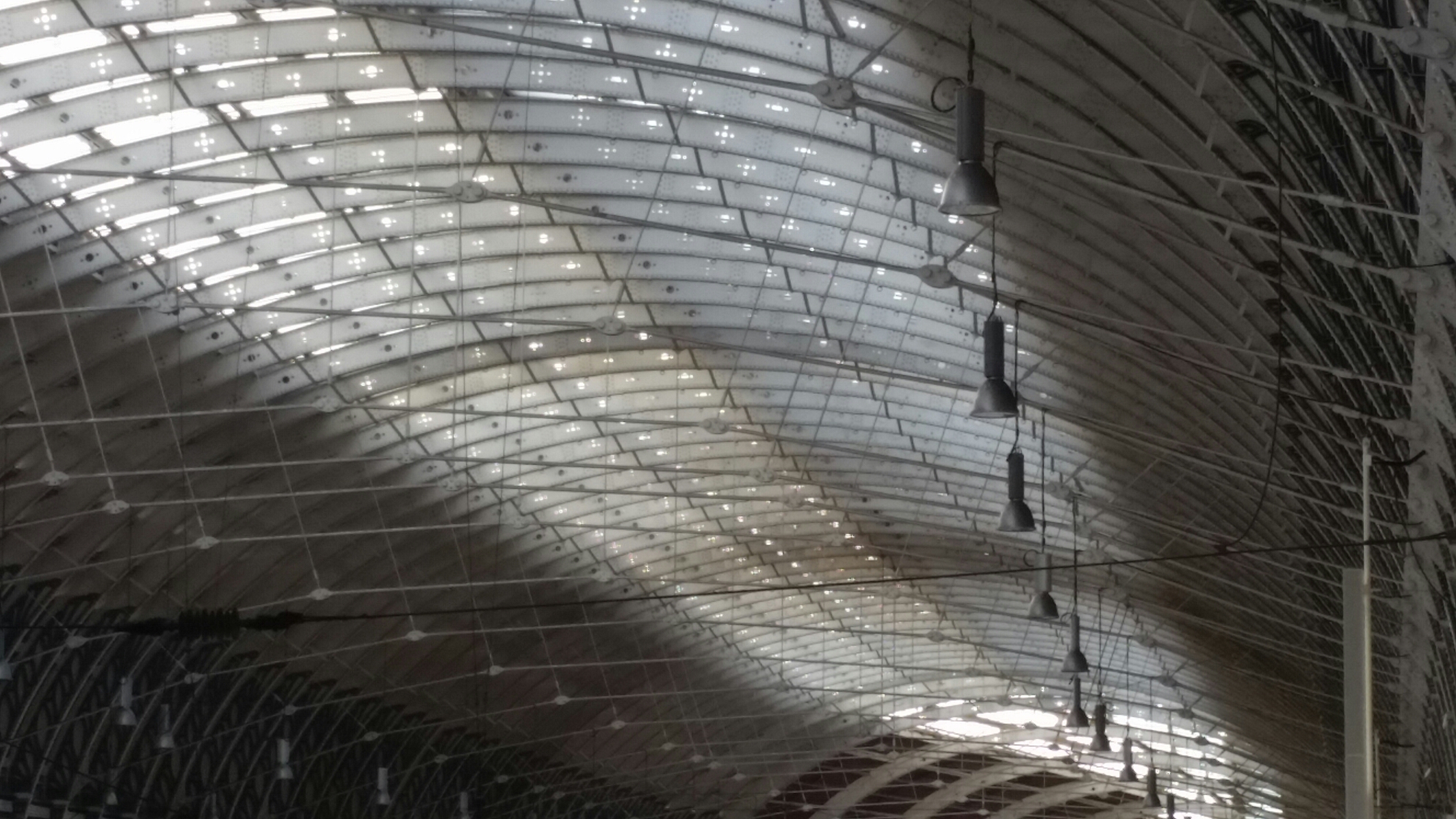
The roof over platforms 9 to 12, which is now the most visible, was added much later in steel in 1916:

image

But the experience of waiting for the train to Newquay remains as exciting as it must have been in 1854.

image

Standard

Back to work

I went back to work today, the same day as the Prime Minister.   I know he has been much criticised for taking two holidays, but I have found two holidays very therapeutic.   So, I returned freshly shorn with a spring in my step which lasted at least up until lunchtime.   Our wonderful Head of our Red Collars said that he did not recognise me which was a trifle unnerving.   Was it the light tan or the haircut or simply that he hadn’t seen me for a few weeks ?   Lunch was at the Wolseley which was fuller than the tube train.   Several people have commented that my last blog about being back in London was a trifle gloomy, but today London was at its best.

Standard

Plas Brondanw (1)

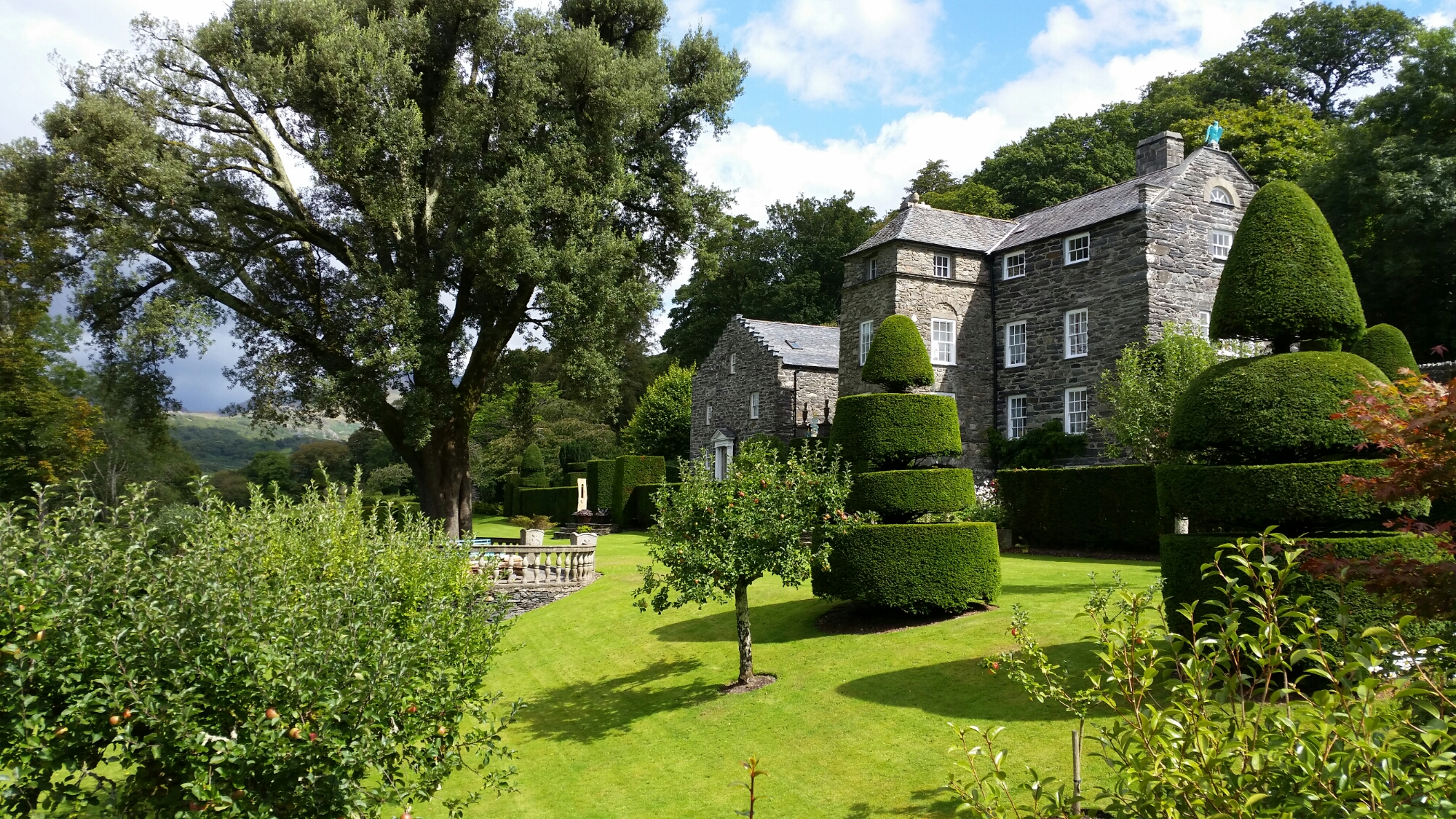
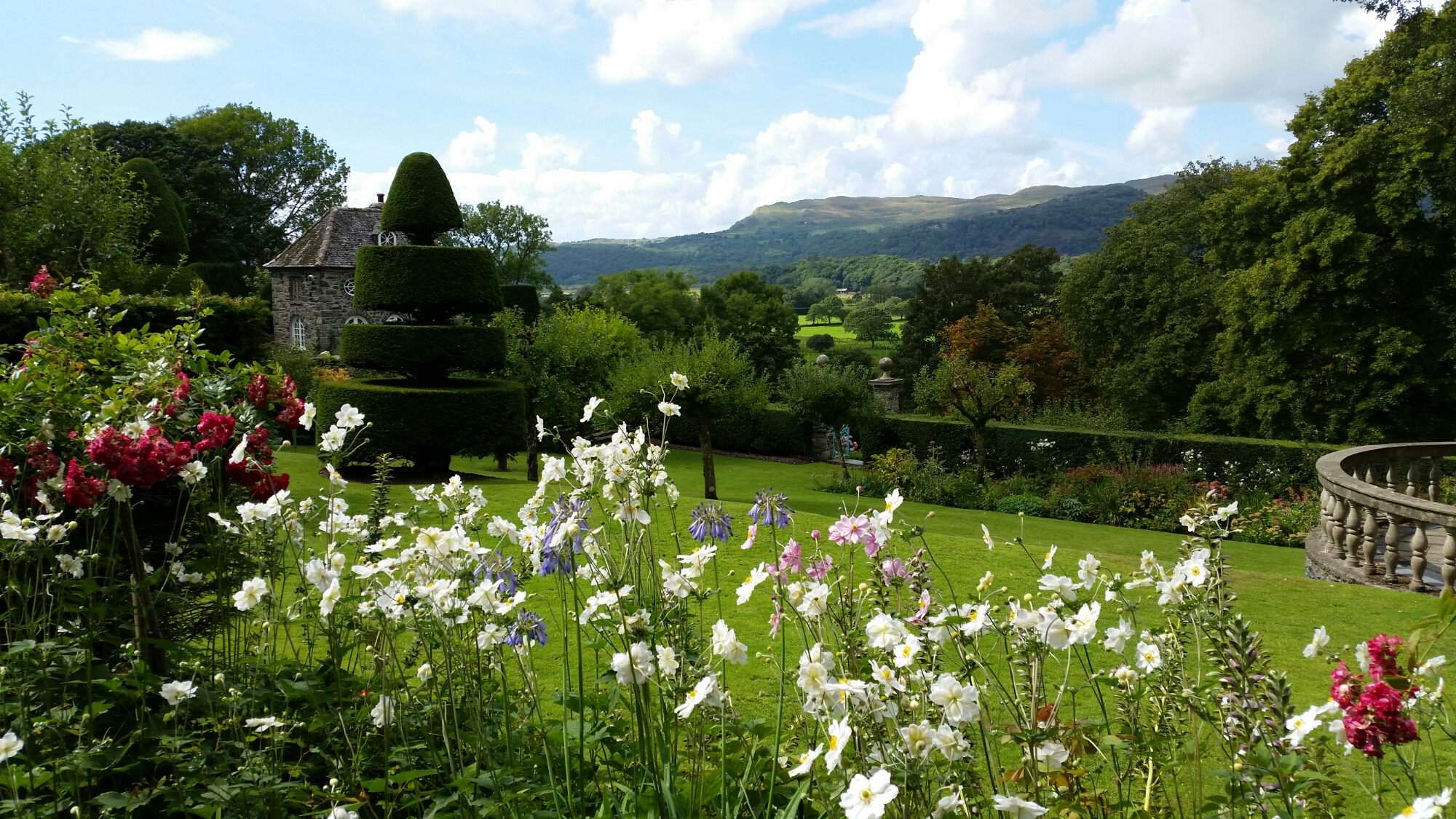
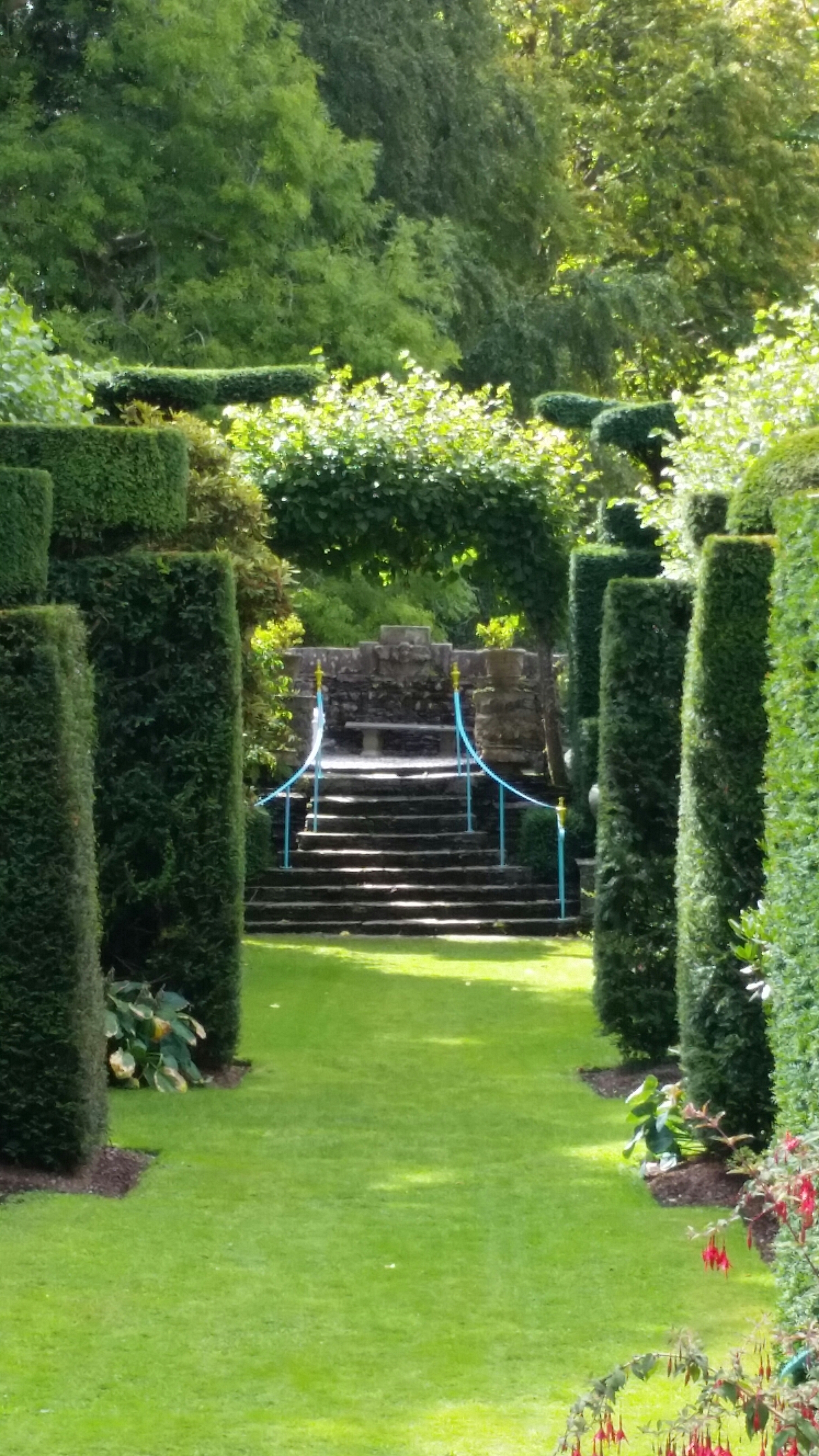
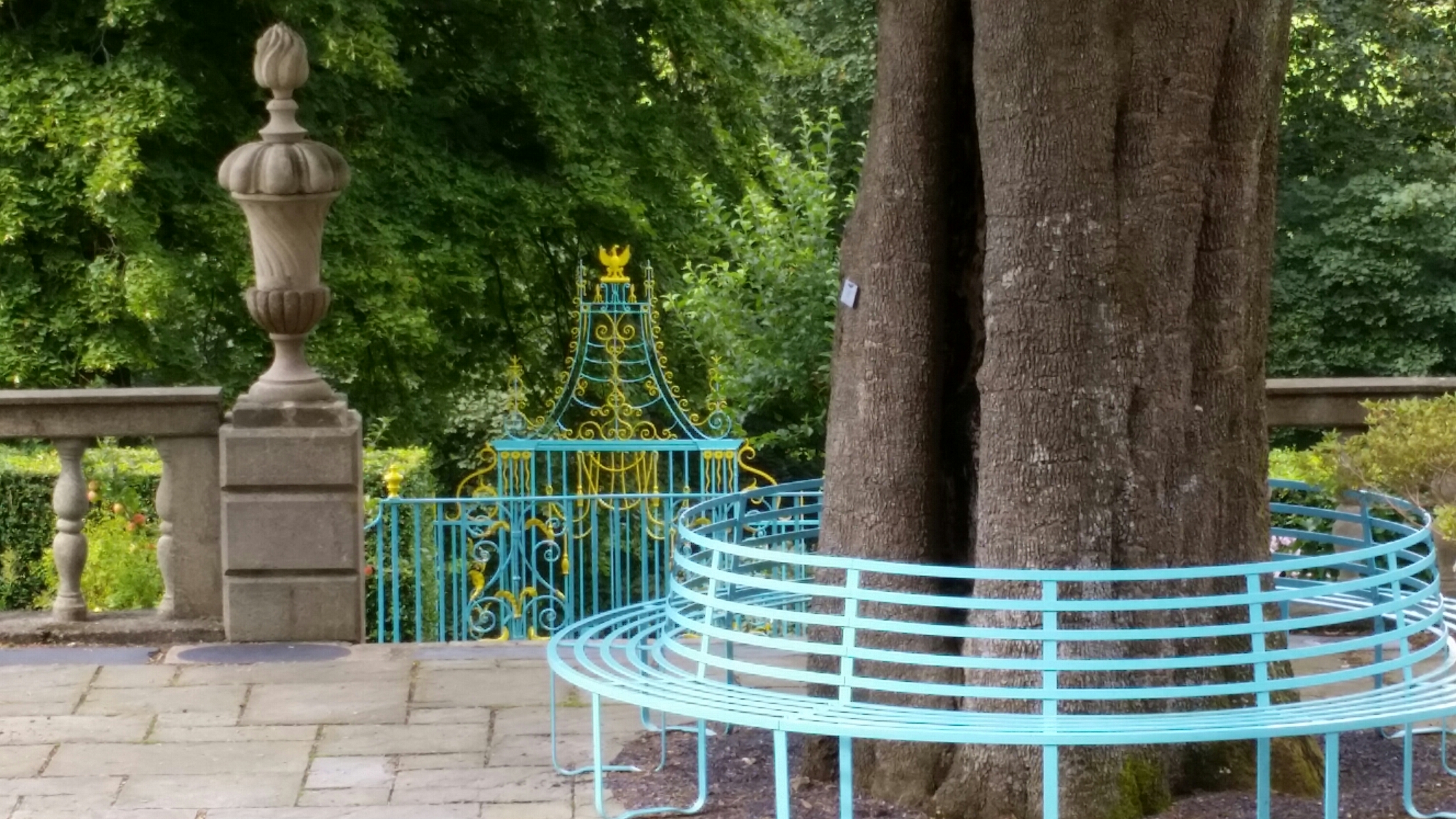
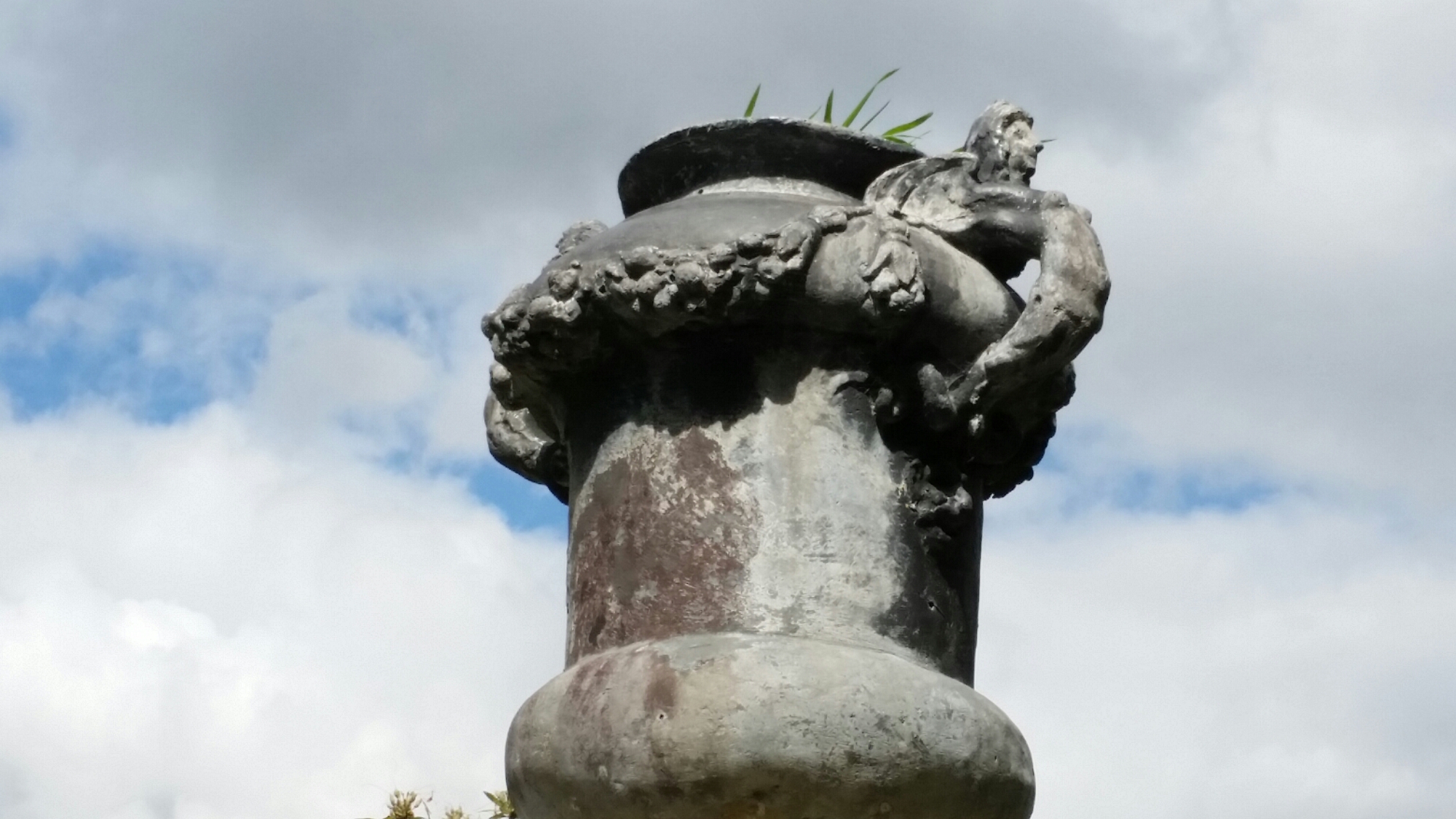
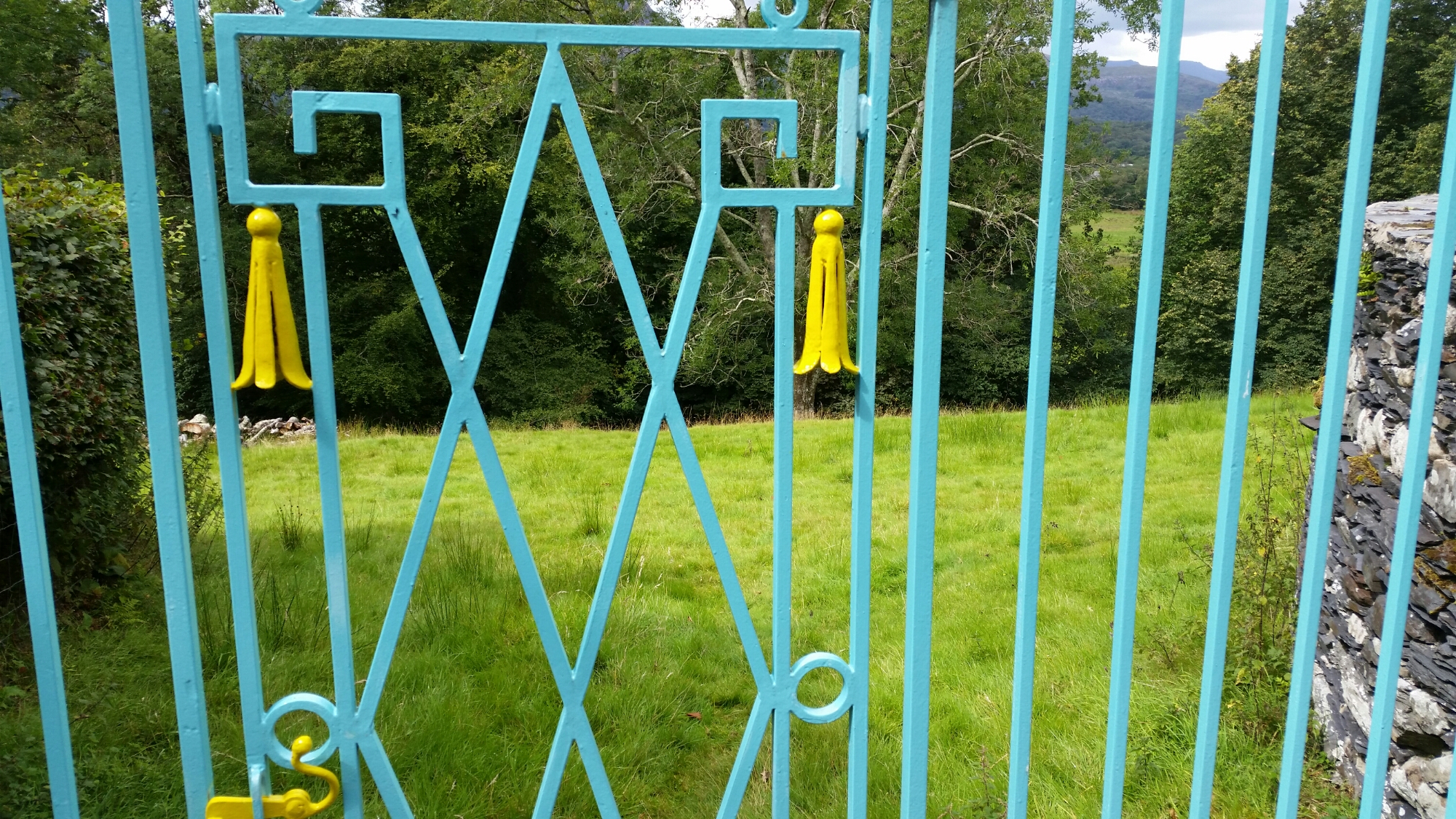
We were driving through the mountains on the instructions of the satnav, when, lo and behold, we found ourselves at the bottom of the little road leading up to Plas Brondanw, where Clough Williams-Ellis lived his long life.   I remember snooping around as a youth, but have quite forgotten seeing it since, so wonderfully situated looking north towards Snowdonia, with pleached hedges and characteristically playful 30s rococo features, all adorned in bright yellow and the estate turquoise blue.

This is his house:

image

This is the view:

image

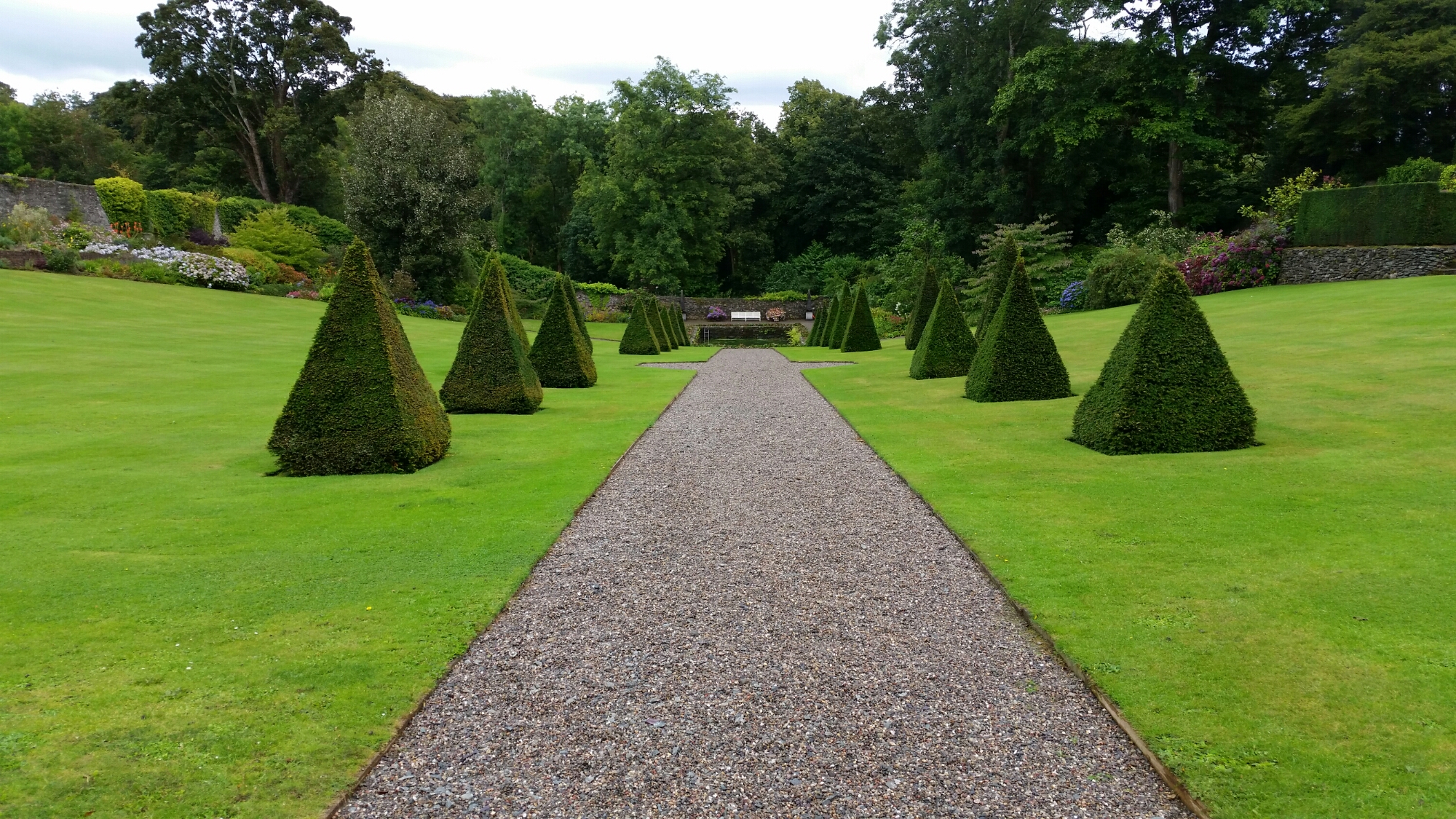
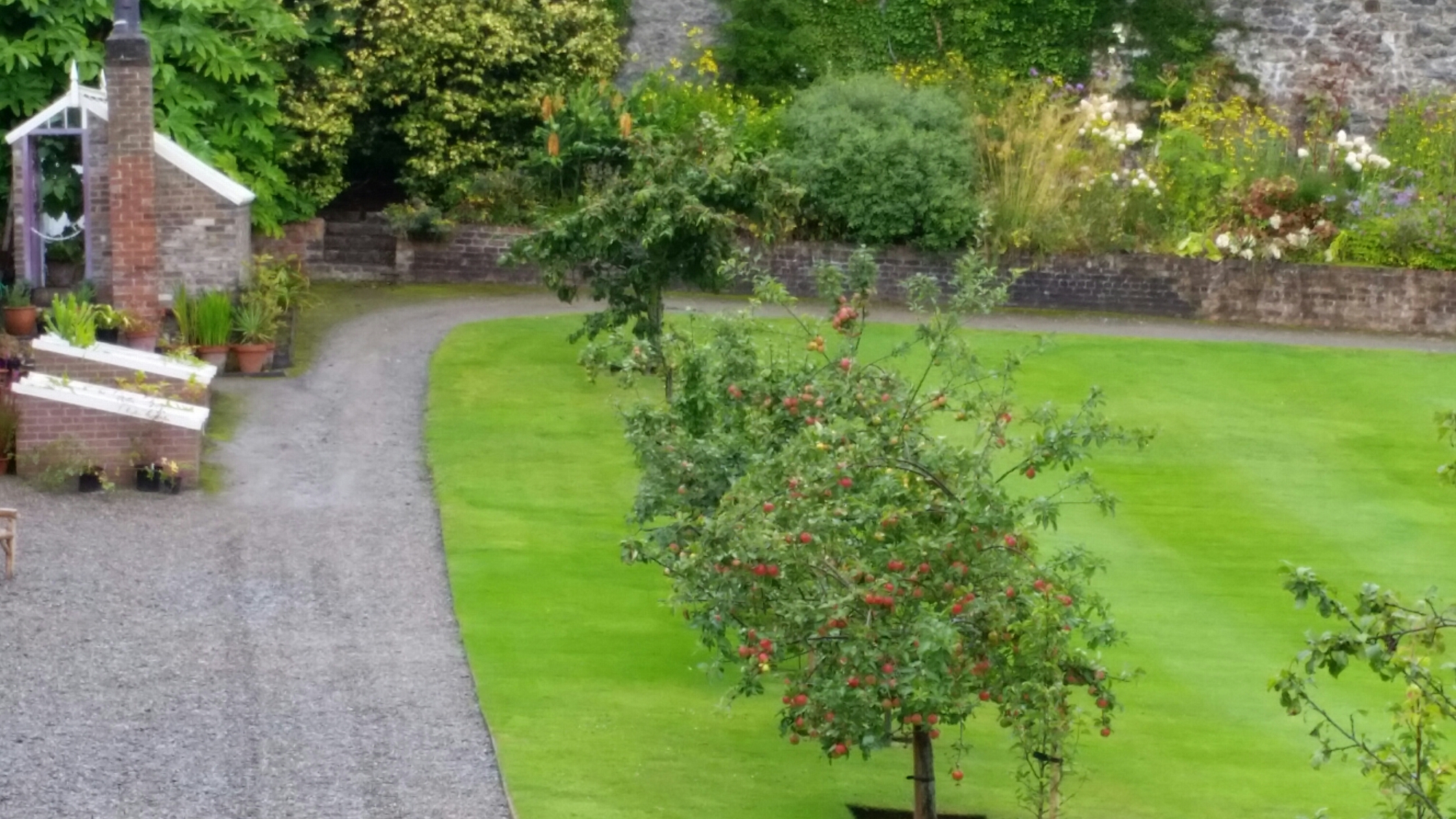
And these are aspects of the garden:

image

image

image

image

Standard

Plas Cadnant

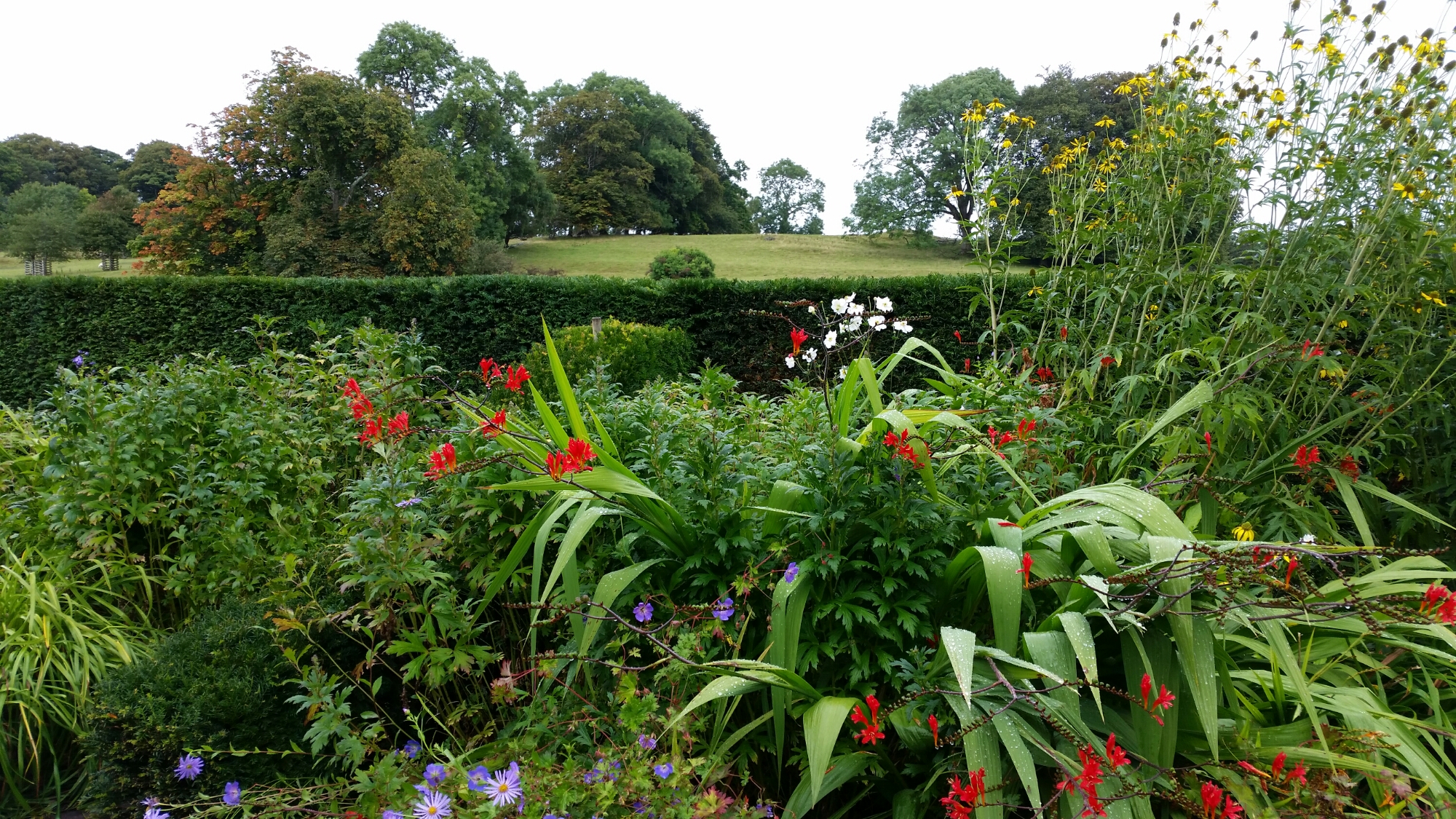
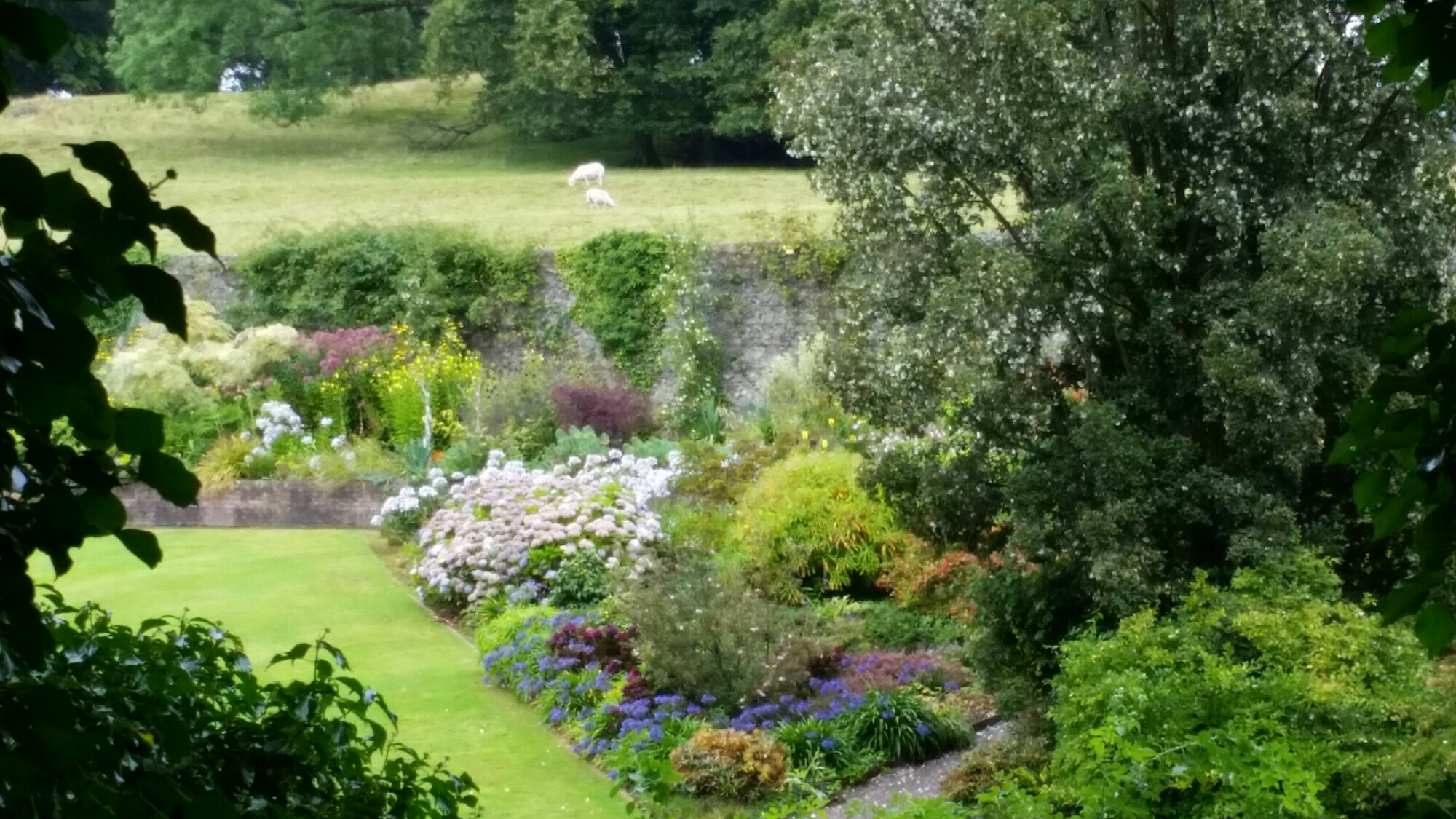
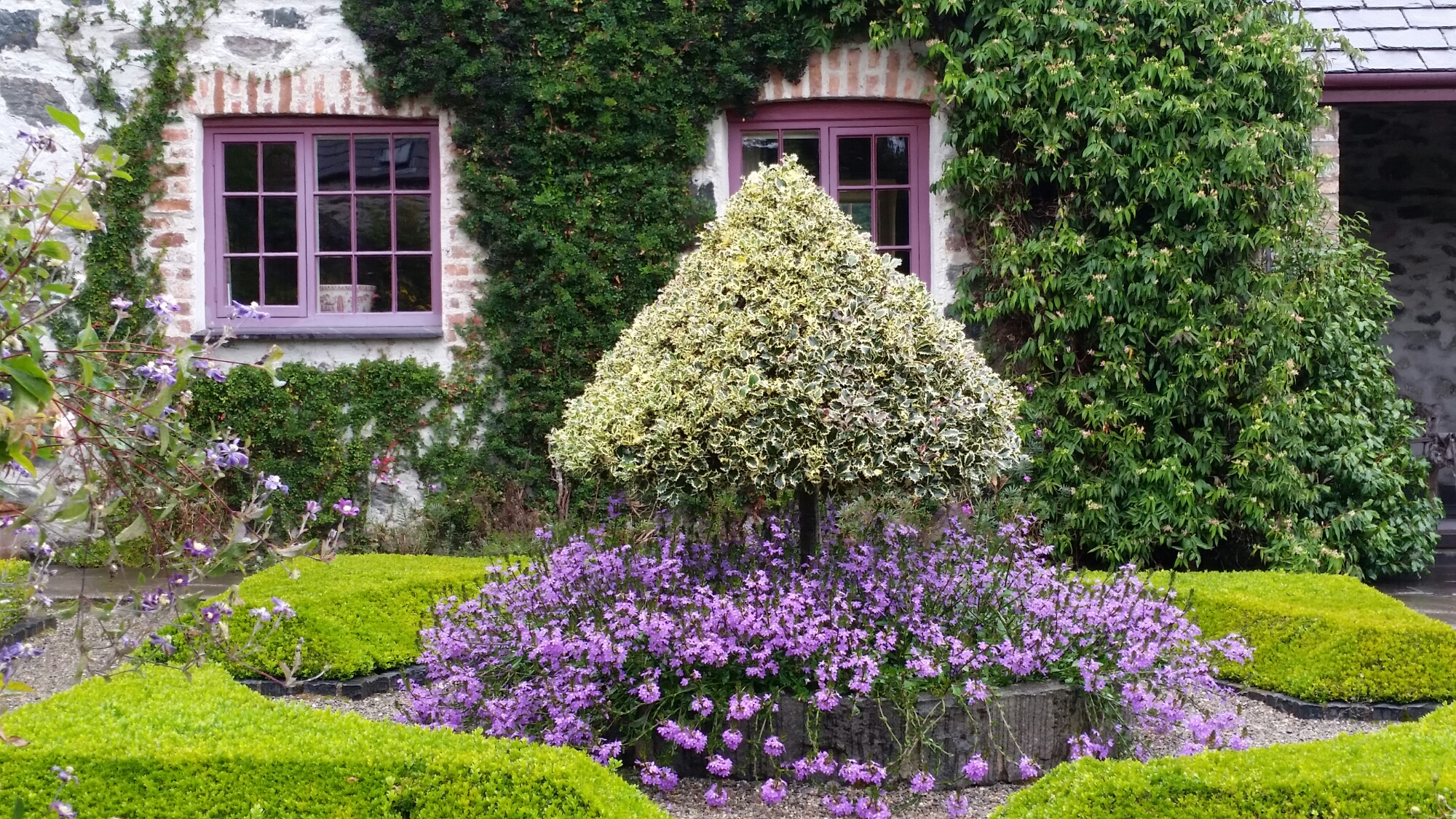
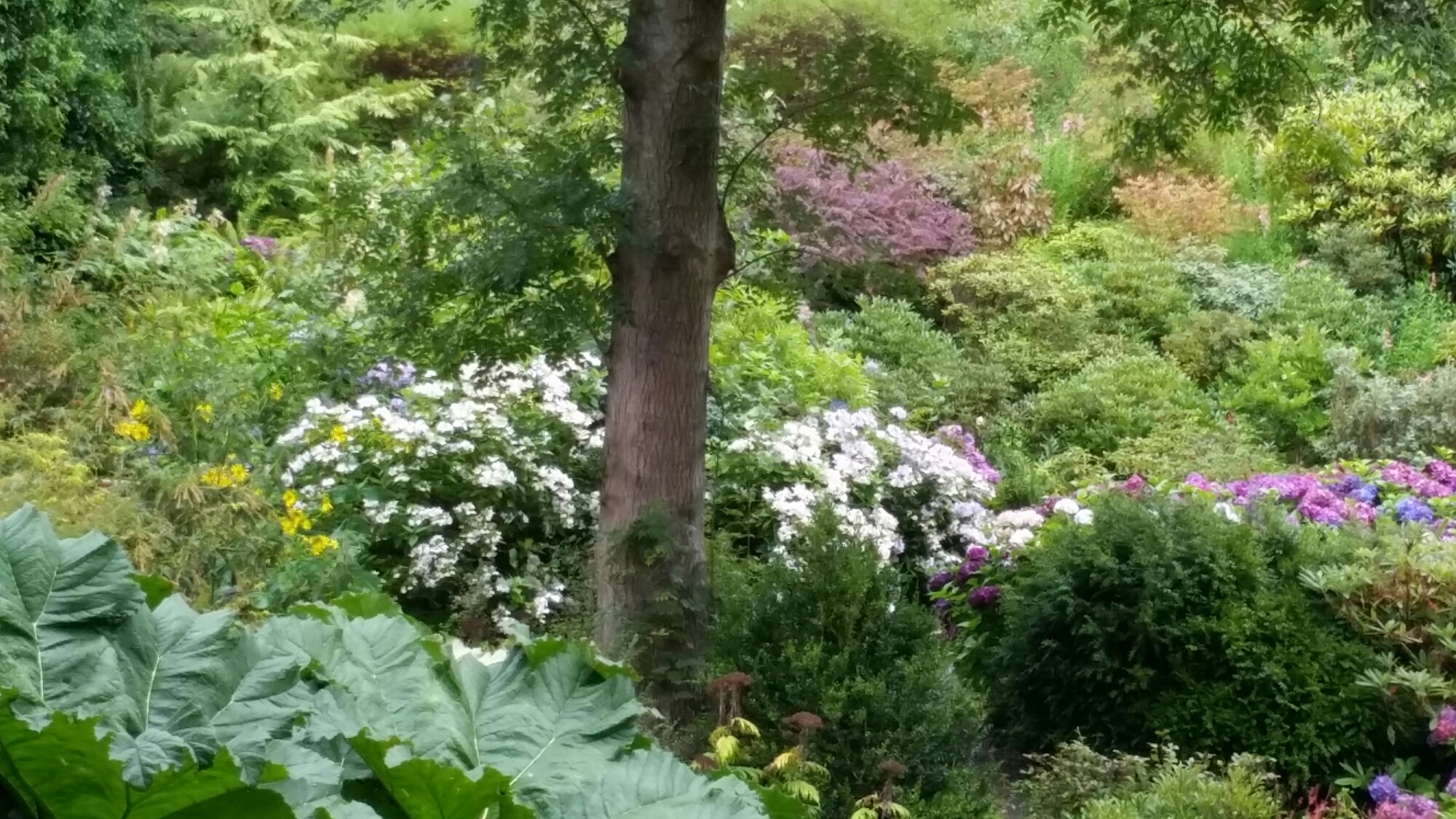
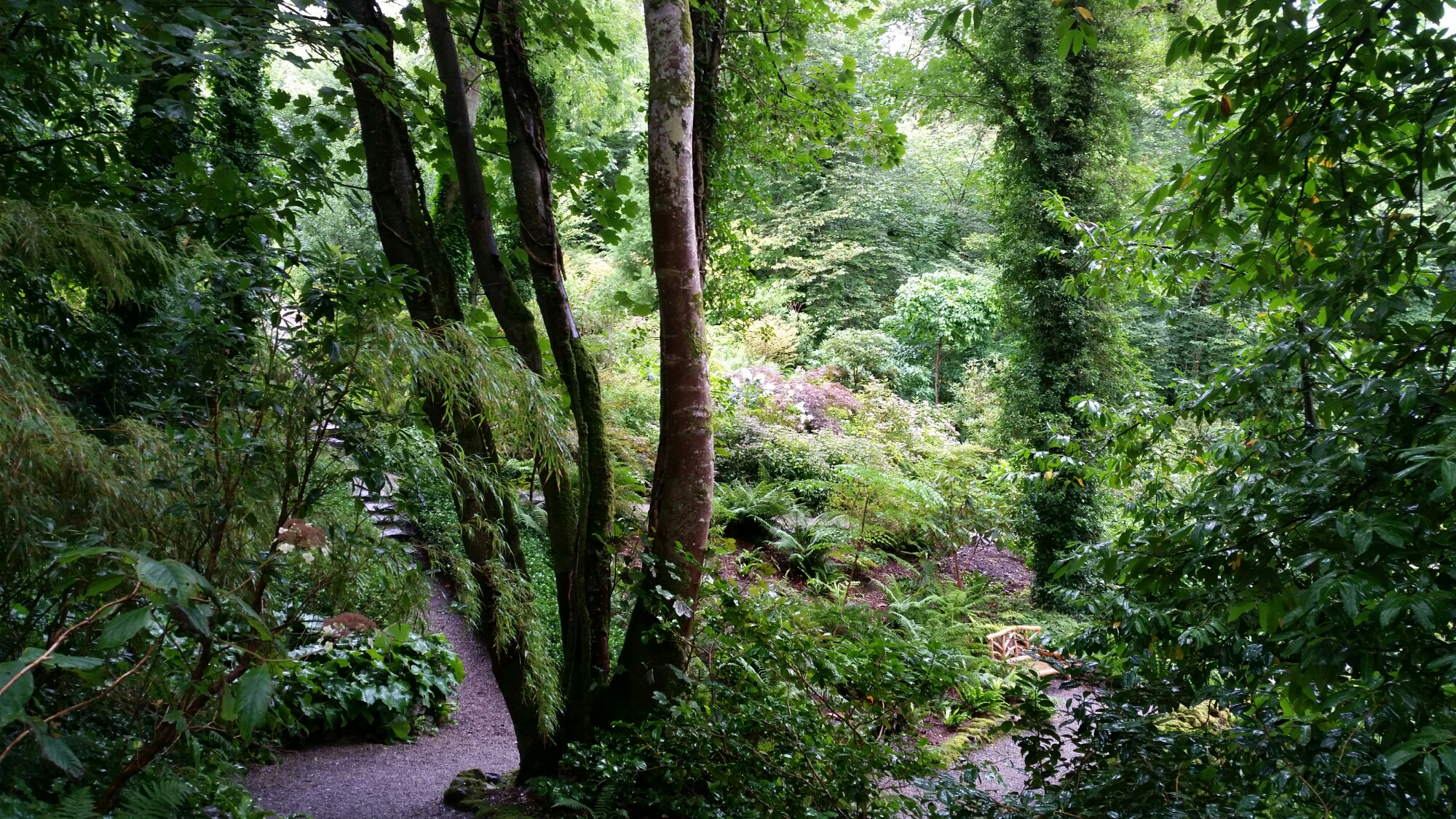
It being a characteristically wet August bank holiday, we ventured forth to see Plas Cadnant, a house and more especially a garden, which has been beautifully and trimly done up in recent years by Anthony Tavernor, a Staffordshire dairy farmer turned horticulturalist.   It has large herbaceous borders and champion vegetables, clipped trees and below a water garden in a steep dell full of ferns and gunnera.   We wandered round in the rain, nearly the only visitors, admiring the immaculate lawns and planting and longing for the sun.

image

image

image

image

image

image

image

image

image

image

Standard

Dolgellau

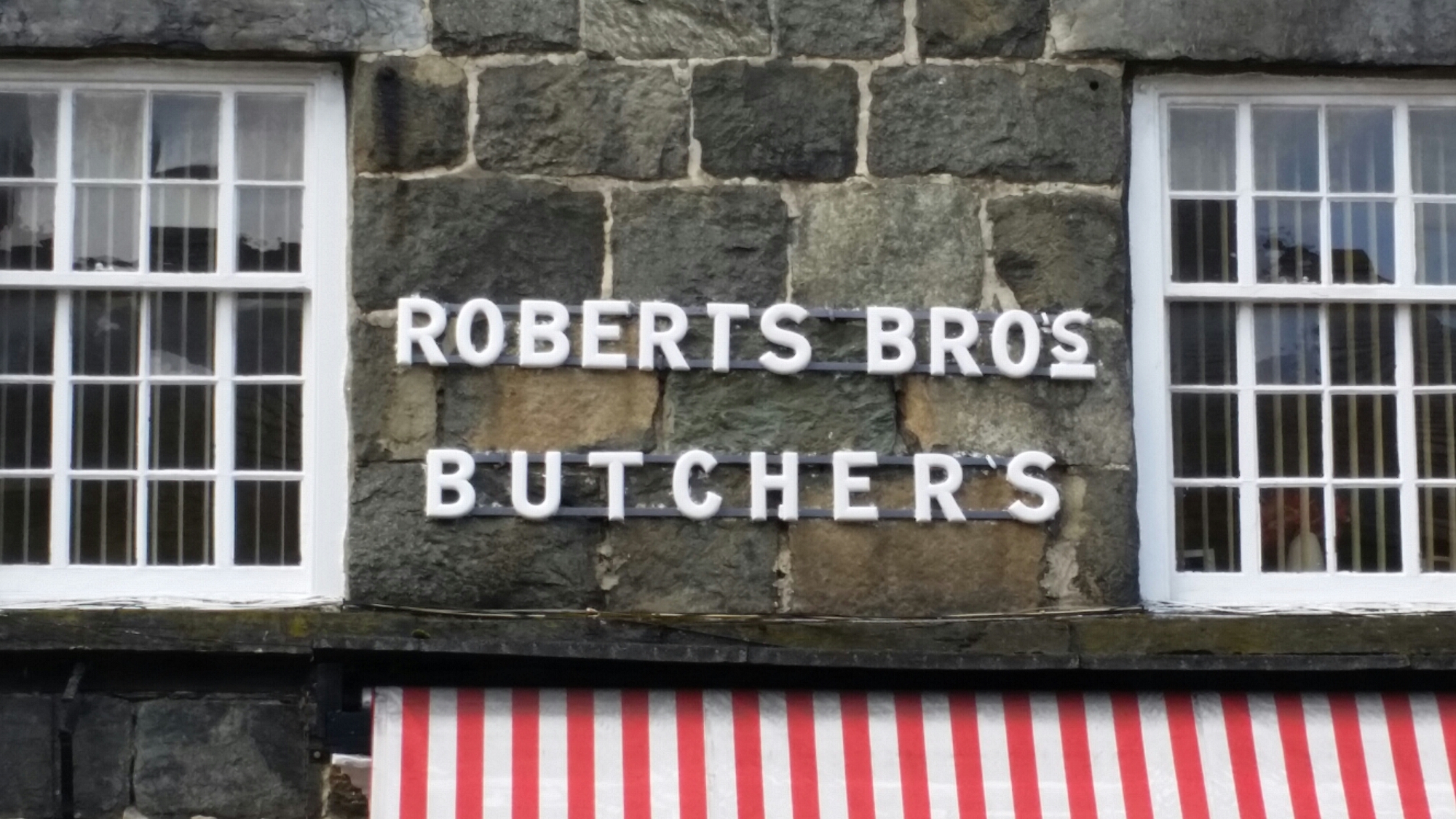
Dolgellau may be dour on a bleak winter’s day, but in the summer sun it was unexpectedly cheerful in spite of the heavy dark stone from which the town is built.   It used to be jam full of through traffic, but this goes on the new road, leaving the centre as an unspoilt market town with butcher, baker, draper, cafés and wine merchant and no chains except for Spar in a nonconformist chapel.   This is the butcher:

image

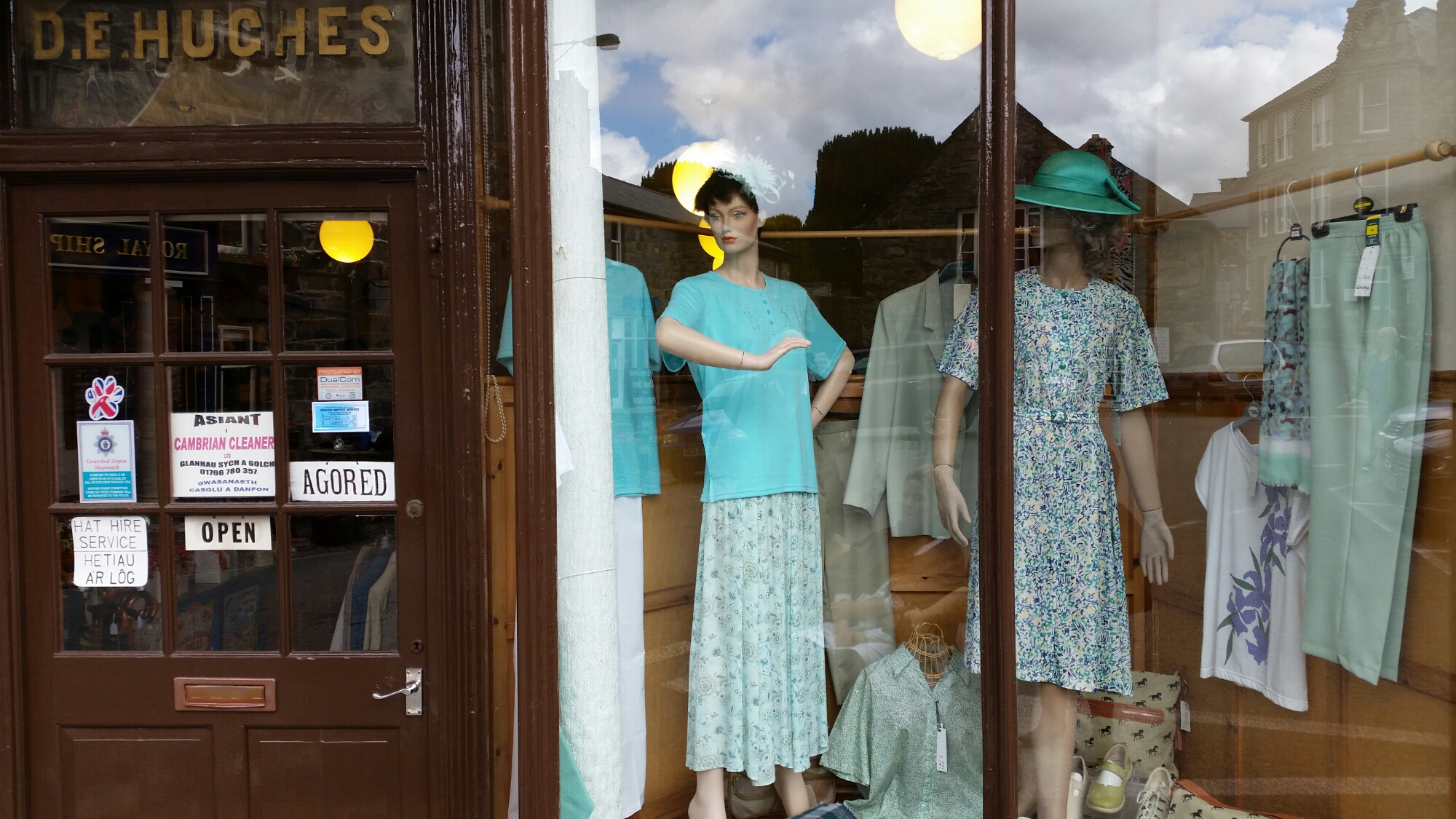
This is the draper:

image

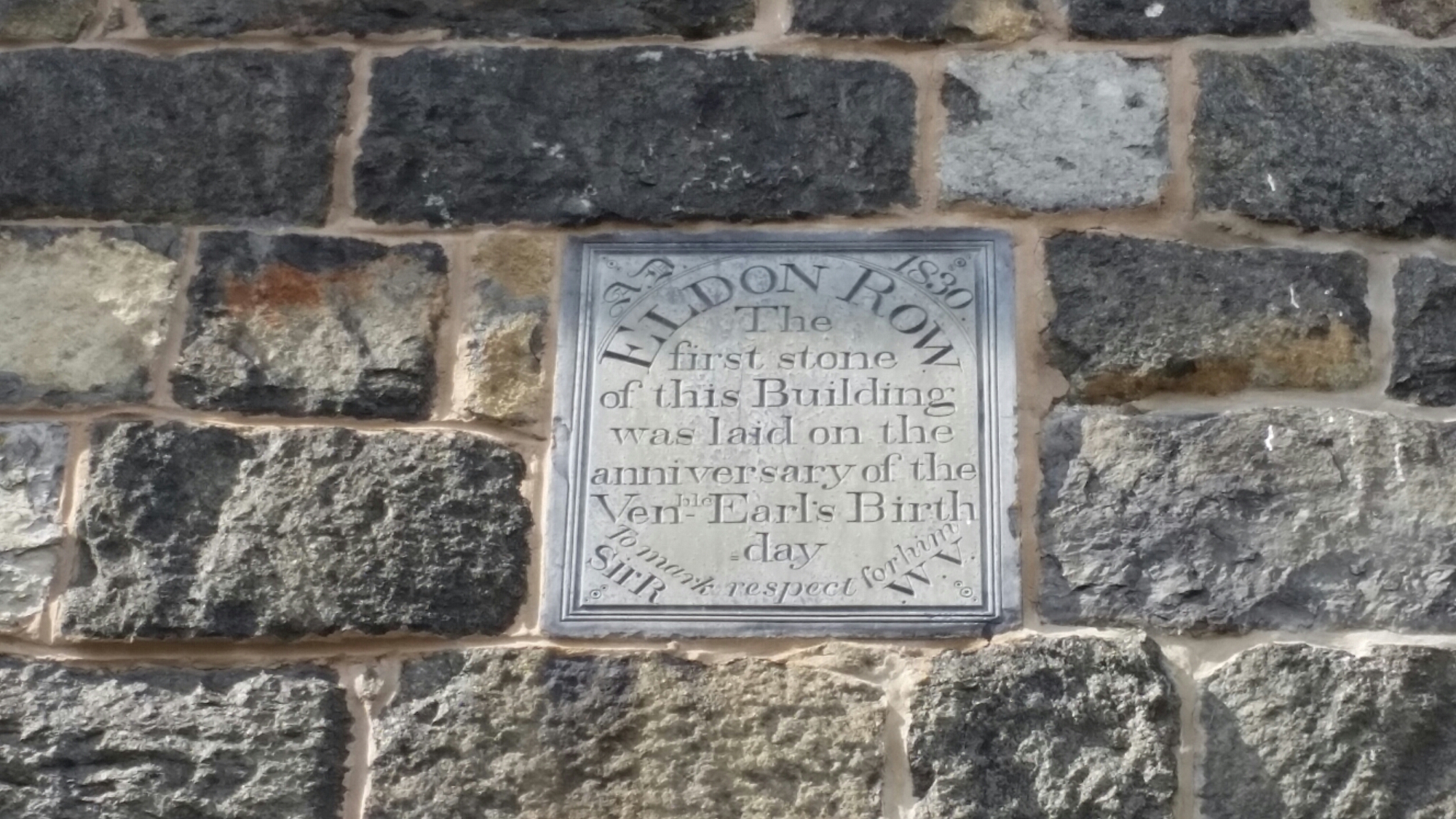
This is Eldon Row, named in 1830 in honour of the Lord Chancellor:

image

image

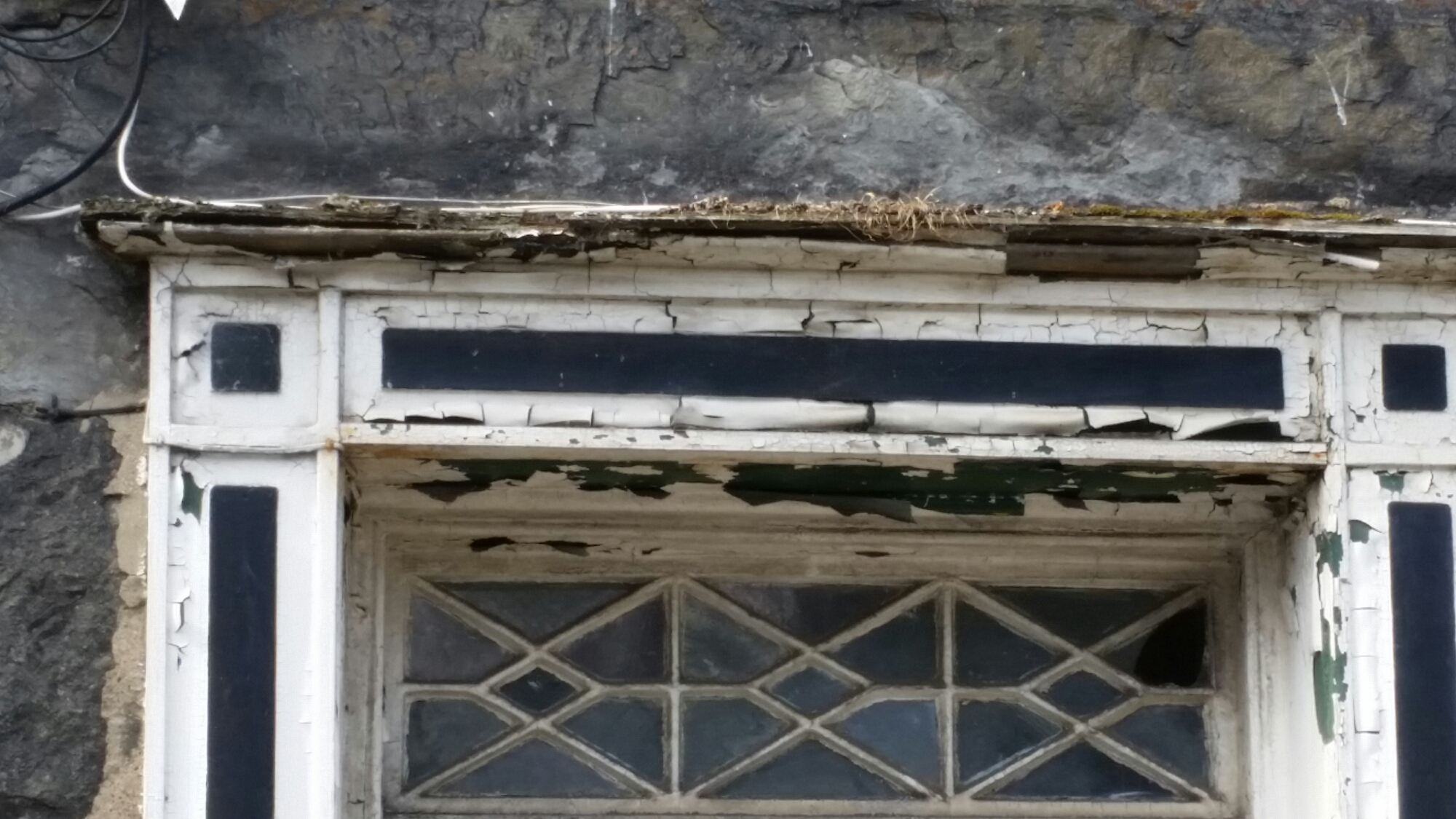
These are other scenes from the town:

image

image

image

image

Standard

Machynlleth

Last year I arrived at Machynlleth railway station after an eight-hour train journey from Bangor (we got stuck near Oswestry) and realised that I was sharing the carriage with a string quartet.   They were en route for the Machynlleth music festival.   So, this year, looking at the programme and seeing that Ian Bostridge was being accompanied by Julius Drake and Charles Owen was playing solo in the evening, we decided to make the long trek through the mountains of north Wales to hear them.   I’ve always liked Machynlleth as a town in a nice, solid, mid-Welsh and now slightly hippy-ish way.   The concert was in an old non-conformist tabernacle with near perfect acoustics.   Ian Bostridge sang Mahler songs with magnificent cerebral intensity.   Charles Owen played an unspeakably complicated work by Liszt, Années de Pèlerinage, for the first time, having admired a recording by Alfred Brendel in his youth and waited 25 years to learn it;  and then one of Schubert’s late piano sonatas D.959 with its impassioned second movement.

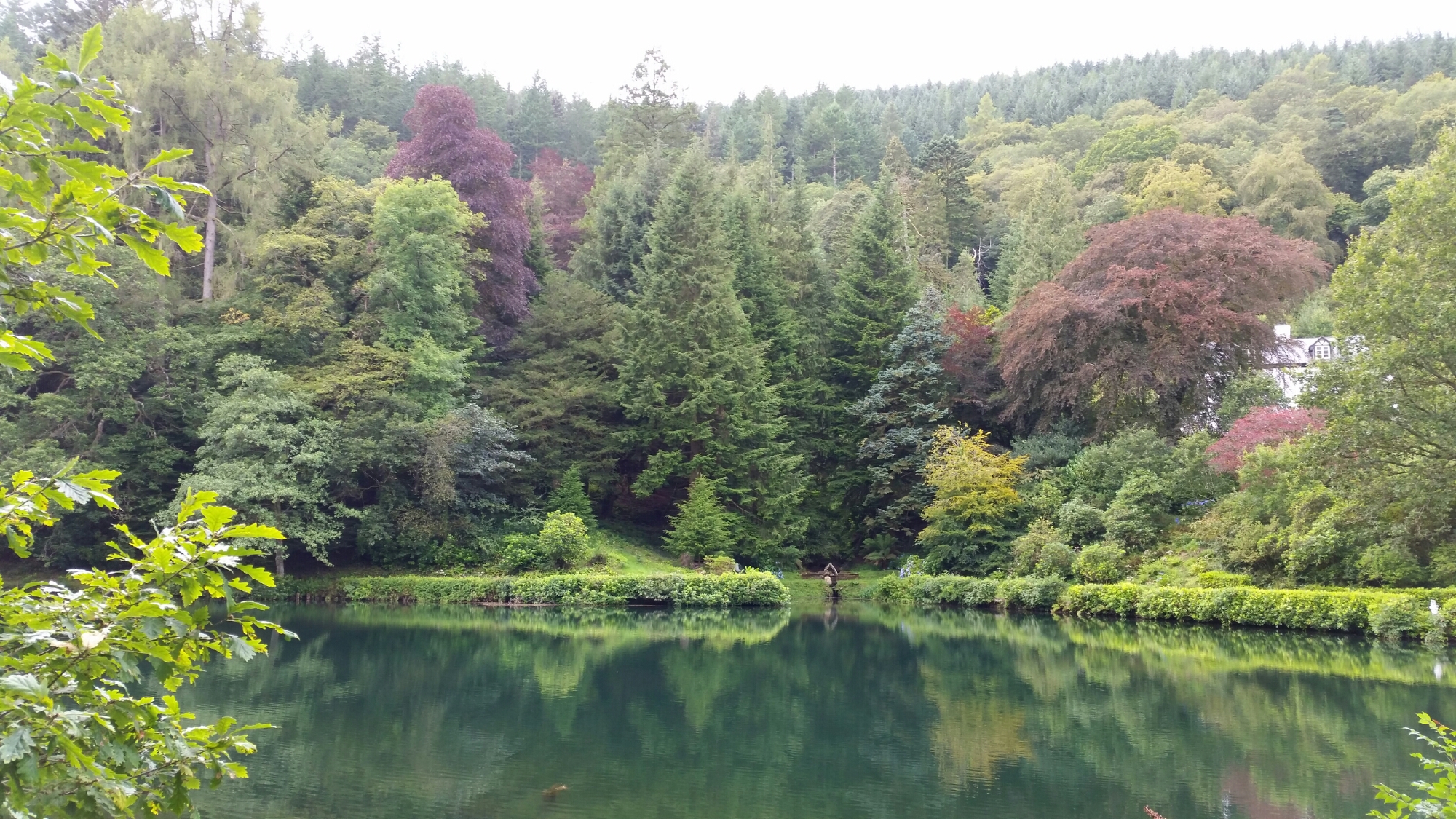
We stayed up in the hills in a house with trees planted in the heyday of Victorian arboriculture, when Wales was regarded as Switzerland:

image

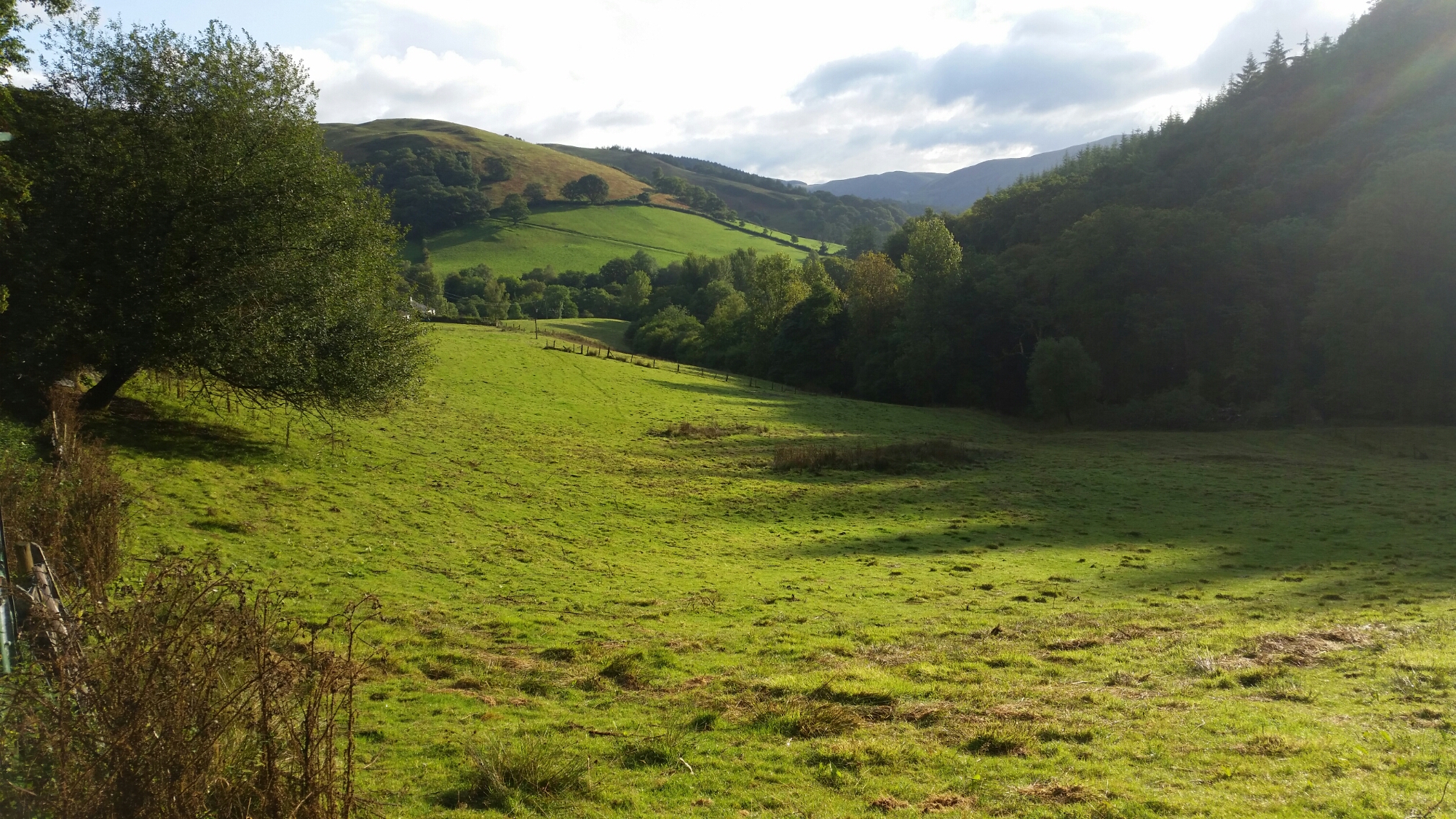
This was a view of the valley in the sunny morning:

image

Continue reading →

Standard

Rhosneigr

For some reasom, my post on Rhosneigr is jinxed. I wrote and it disappeared. I rewrote it and it disappeared again. There is not a huge amount to say.

Rhosneigr is a nice, small, seaside town on the south-west coast, with shops selling surfboards and wetsuits and full of whitewashed 1950s bungalows and later, grander villas, with large cars and boats parked outside. Costa Brava on the Irish Sea.

This was where we had our takeaway picnic:

image

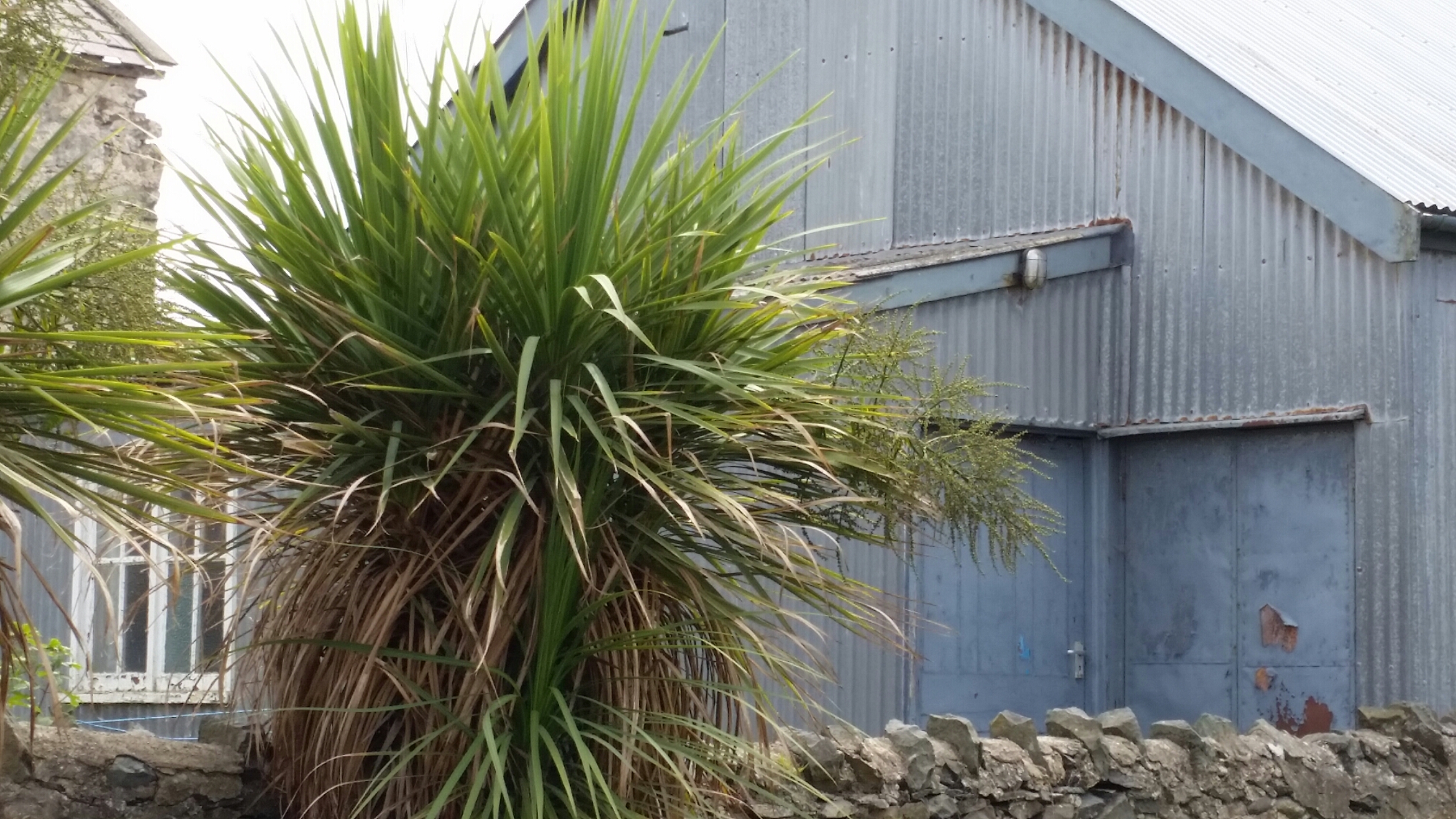
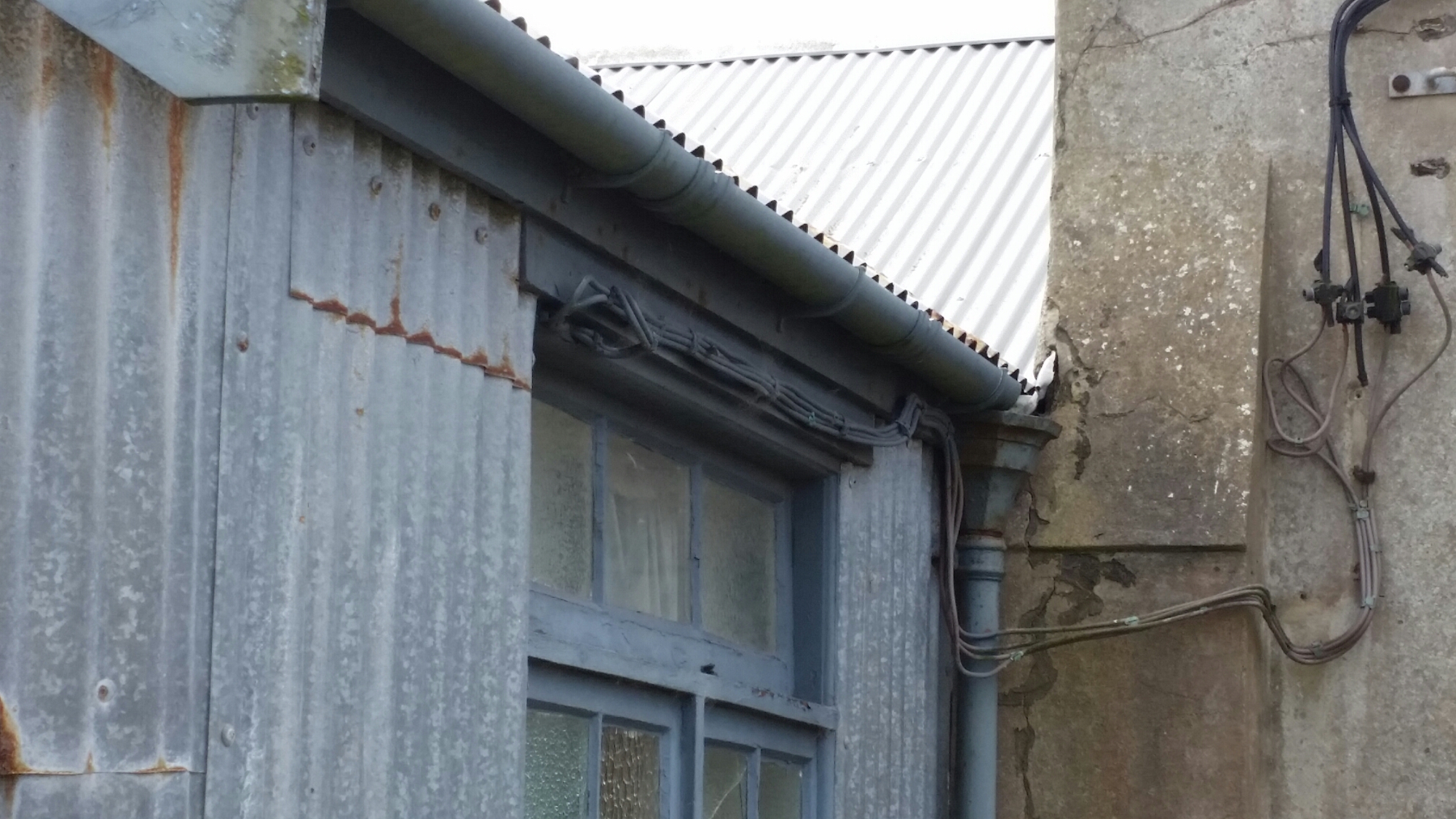
This was one of the nonconformist church halls:

image

image

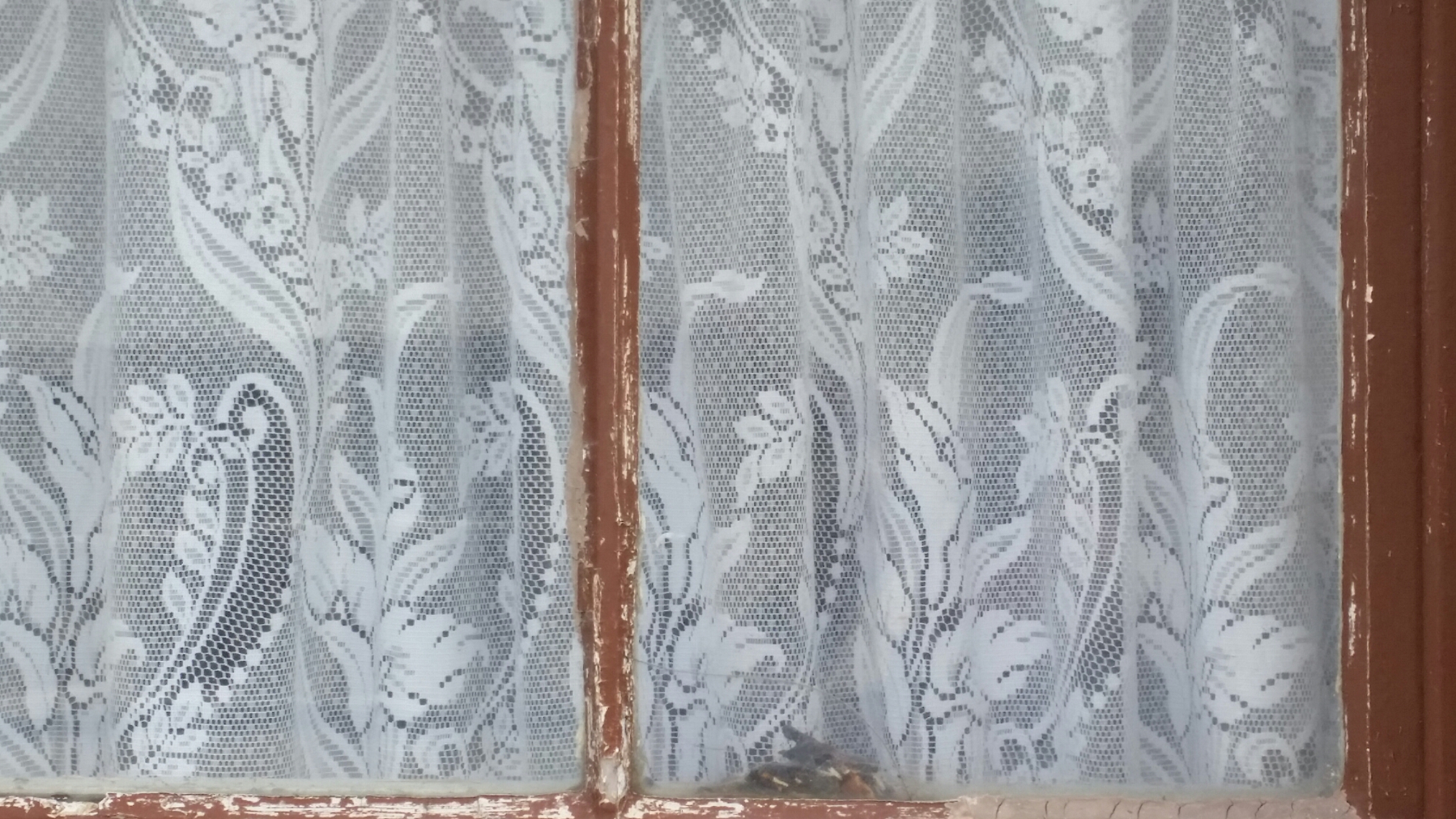
This was the window of the house next door:

image

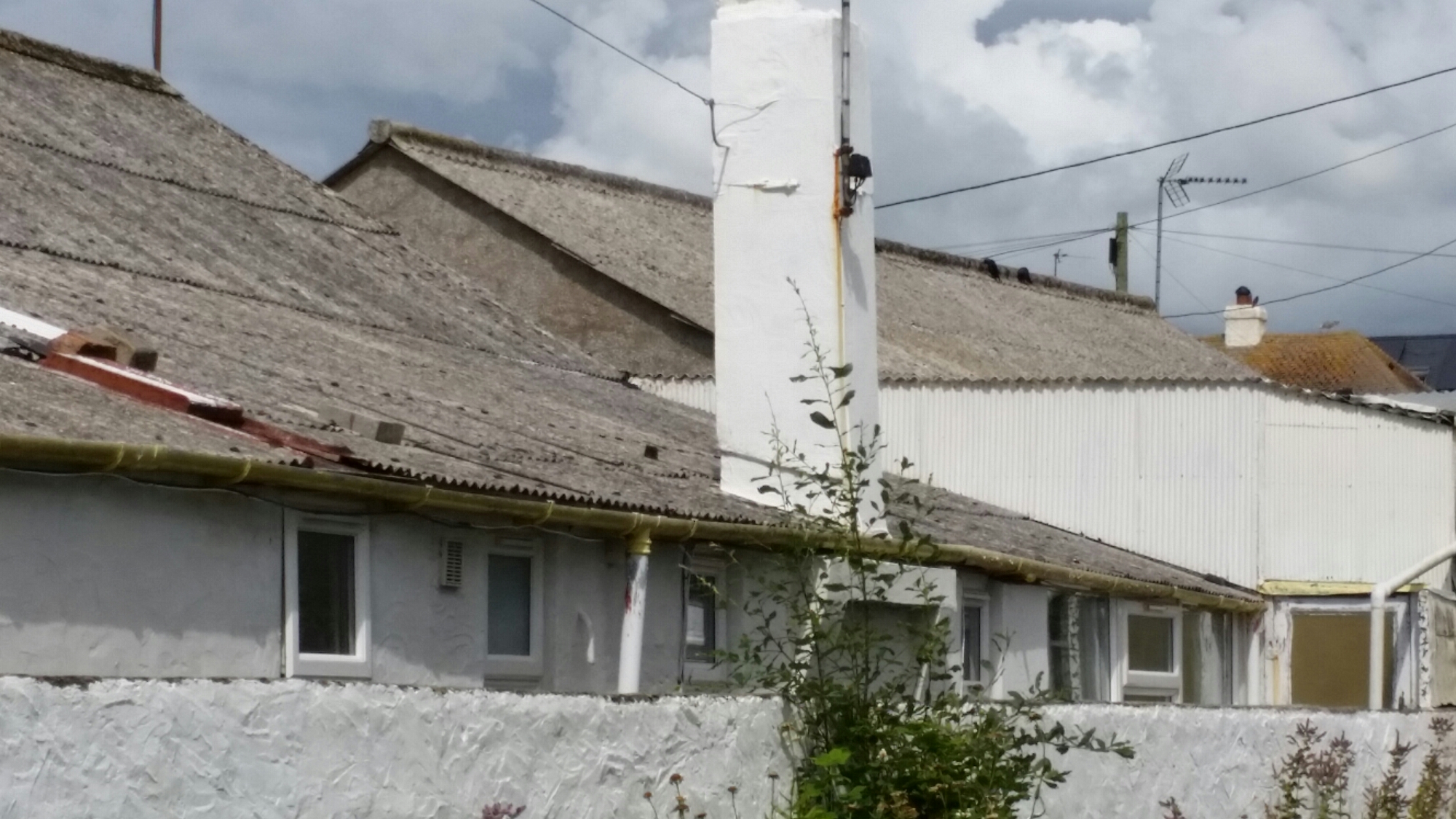
And this was another house that caught my eye:

image

Standard

Din Llugwy

I’m embarrassed to say that we normally avoid prehistoric monuments in Anglesey.   This is because, from previous experience, they too often consist of a couple of stones in a barren field.   But this year I was encouraged by an entry in Simon Jenkins’s book on what to visit in Wales to go to Din Llugwy, a Romano-British settlement set in a wood overlooking the sea in north-east Anglesey.   It is everything Simon says and more:  an extraordinarily evocative, dense set of stones, whose purpose is not altogether clear, set in remote woodland.   It’s an early homestead, a Druidical villa, with two round huts of which the bases and door lintels survive.  What’s more, not many people visit it, so that it feels like Avebury must have felt to those eighteenth-century archaeologists.  No tickets, no tour guides, just fields and trees and stones.

This is the route across the fields next to Capel Llugwy, a roofless early medieval church:

image

These are the surrounding trees:

image

image

This is the remainder of a building in the north-east corner (Pevsner includes a numbered ground plan, but no key to the numbers):

image

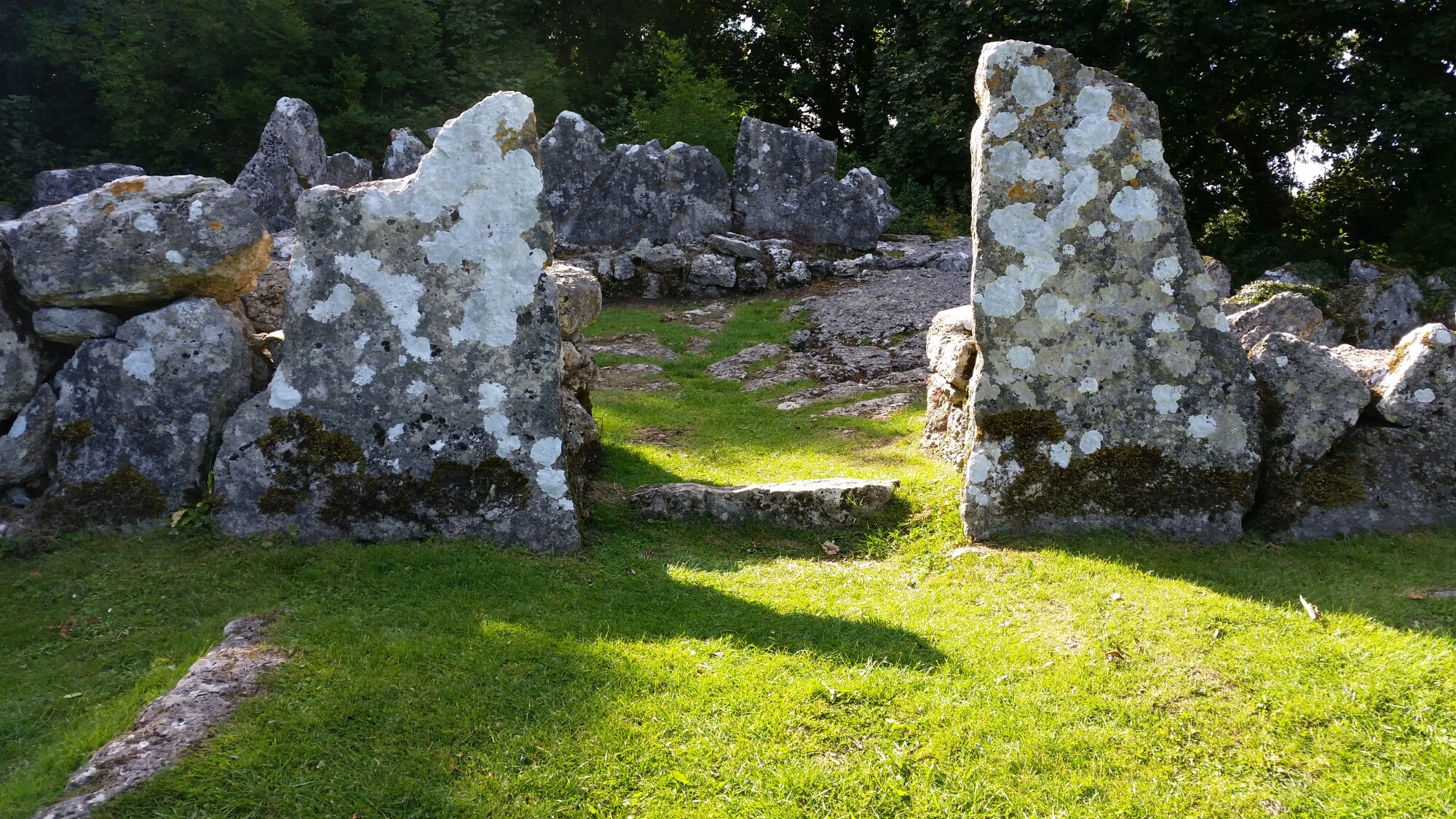
This is one of the round huts, seen from above and its entrance doorway:

image

image

image

This is apparently the main building:

image

This is a view of another, maybe later, hut:

image

But photographs give no sense of the mystery of the place, the sense of a lost ancient settlement, of people in the trees.

Standard